Global financial markets are reacting sharply to the ongoing conflict in the Middle East, with a clear split emerging: energy prices are surging while equities are falling.
The Oil Price Floor
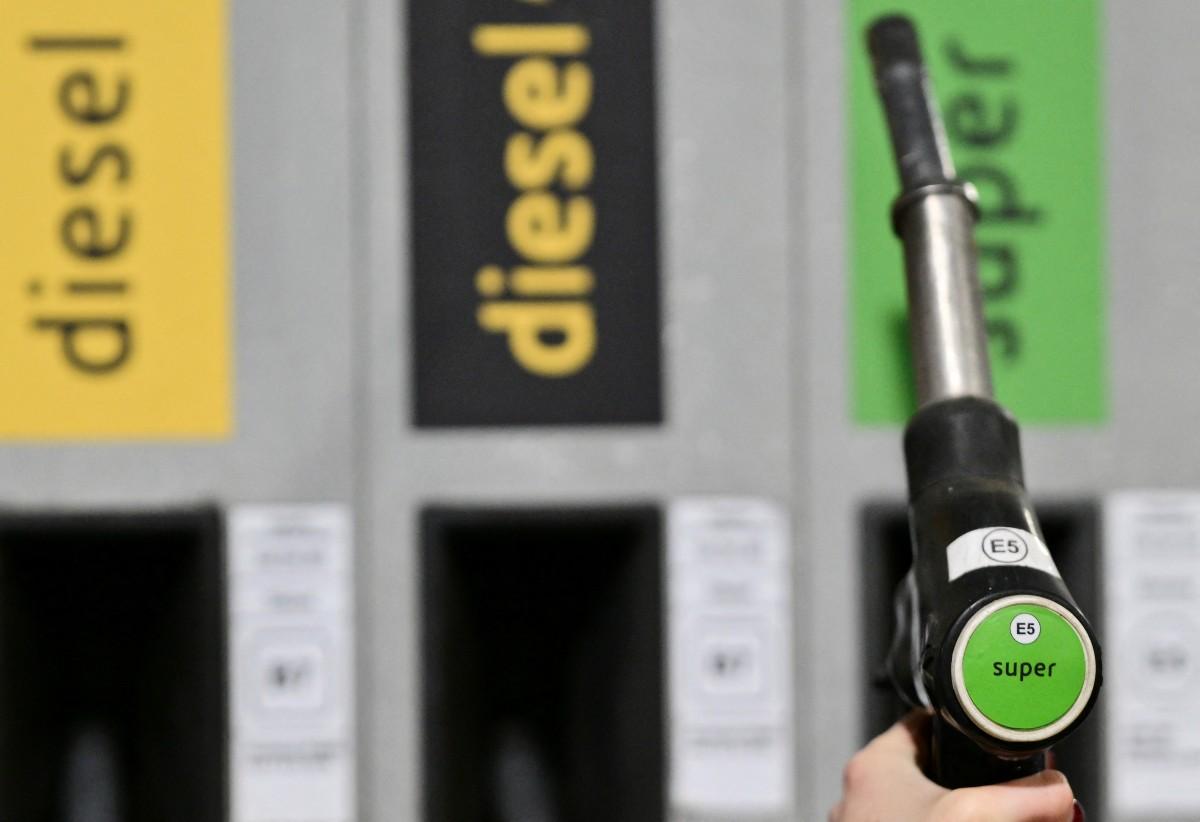
Brent crude oil prices are holding firmly above the psychologically significant $100 per barrel threshold. This isn't a fleeting spike but a sustained level reflecting intense market pressure. The core driver is the war's location in one of the world's most critical energy-producing regions. The direct threat to production infrastructure and key maritime transit routes, like the Strait of Hormuz, has traders building a substantial 'risk premium' into the price. They are effectively paying more now to insure against potential future supply shocks.
The Equity Sell-Off
In tandem, global stock markets are sliding. The declines are tracking developments in the conflict, prompting a classic 'flight to safety.' Investors are moving capital out of riskier assets like equities and into traditional havens such as government bonds and gold. The sell-off is broad-based, impacting sectors from technology to industrials. The underlying fear is that persistently high energy costs will act as a tax on consumers, dampening spending, and squeezing corporate profit margins.
A Market Fundamentally Repricing
The conflict has injected profound uncertainty. While no major production has been lost yet, the mere threat is reshaping markets. Shipping insurance costs for the region have skyrocketed, and tankers are rerouting, adding logistical friction and cost that further tightens supply. Market volatility indices have spiked, reflecting expectations for continued wild price swings.
Financial markets are now pricing in a prolonged period of disruption. Analysts are revising their oil price forecasts upward, with many predicting a sustained period above $100. The expanded risk premium indicates this is a fundamental repricing of geopolitical risk, not a short-term reaction. Investors should brace for continued volatility as the situation evolves.