A stark warning is rippling through global energy markets: crude oil prices could surge to $130 per barrel. This forecast, driven by escalating conflict in the Middle East, highlights how regional instability can rapidly become a worldwide economic threat.
The Global Shockwave
Such a price spike is not an abstract figure. Crossing the $130 threshold would increase production and transportation costs across virtually every industry, potentially fueling inflation globally. For nations that import more oil than they export, the strain on national budgets and foreign reserves could force severe fiscal choices.
The Nigerian Paradox: Stability Amidst Storm
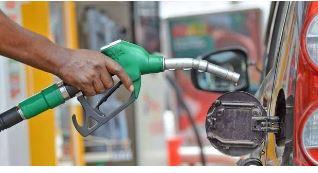
In contrast to the global warning, Nigeria's fuel markets are showing unusual calm. In Lagos, the commercial capital, the price of petrol (PMS) has stabilized at N1,040 per litre. Similarly, in Abuja, prices are holding at N1,080 per litre. This offers consumers a temporary reprieve from the volatile swings that have characterized the market.
This stability suggests that, for now, distribution chains and market adjustments are absorbing pressures without fully passing them to the end consumer. It reflects current supply logistics and possible regulatory interventions.
Why This Calm Might Be Temporary
Nigeria's situation is precarious. Despite being a major oil producer, the country's limited domestic refining capacity leaves it deeply vulnerable to global price shocks. The petrol sold locally is largely imported, meaning its cost is ultimately tied to international crude prices plus refining and shipping costs.
Any sustained increase in the cost of crude on the international market would inevitably put upward pressure on local fuel prices. The current stability exists in a fragile balance with the international warning.
What to Watch Next
The key indicators to monitor are the duration of Middle East tensions and the responses from major oil producers and alliances like OPEC+. Their decisions on production levels will be the next major signal for the market. Domestically, the resilience of Nigeria's supply chains and any potential policy shifts will determine how long the current price hold can last.
For businesses and consumers, this period of stability is a crucial window to assess budgets and logistics, as the link between global crude prices and local economic conditions remains fundamentally intact.