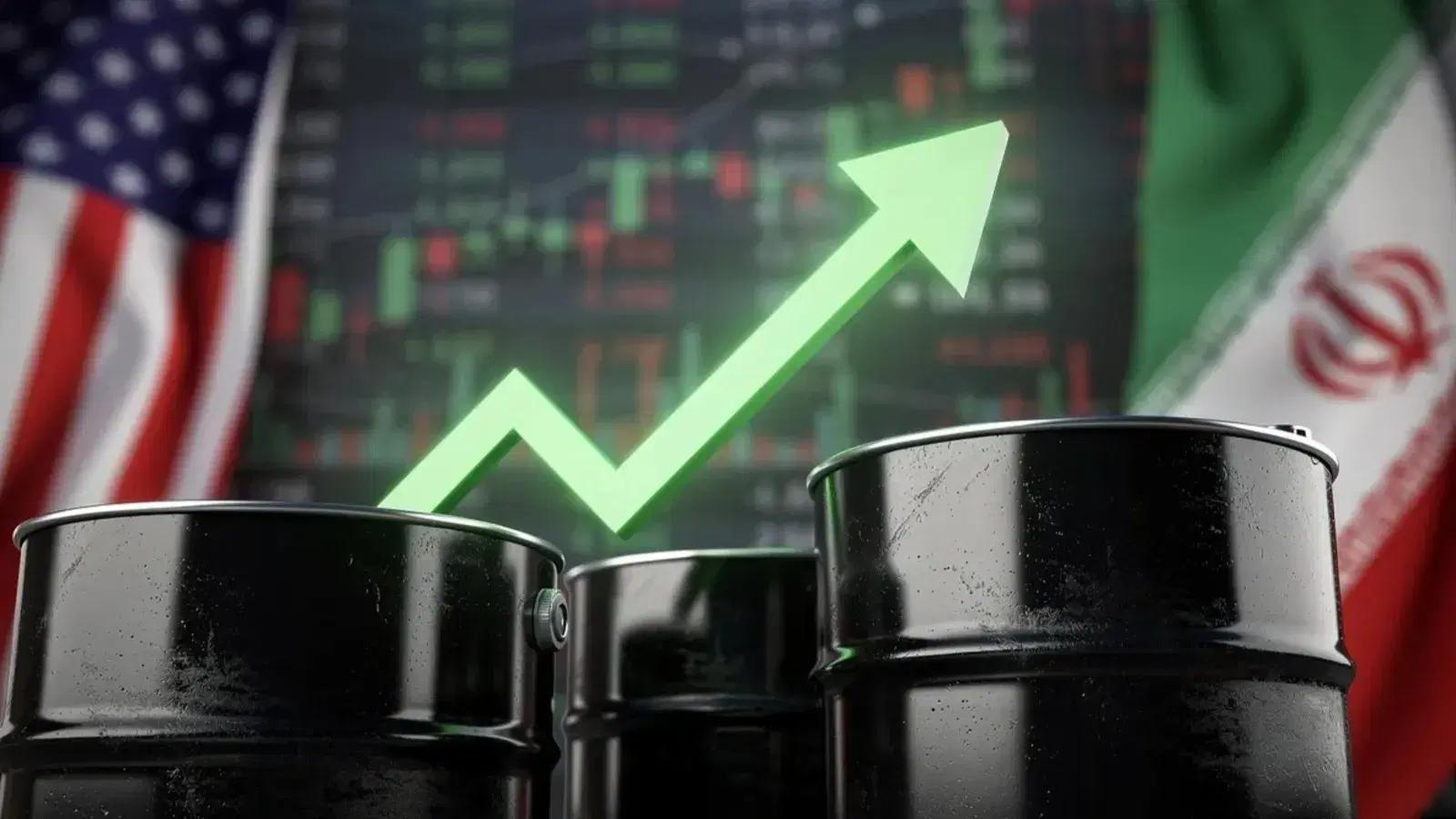
The global oil benchmark surged past the psychologically significant threshold of $100 per barrel on Wednesday, following a direct threat from Iran to close the Strait of Hormuz. This narrow sea passage is a vital artery for the world's energy supply, and its potential closure has sent shockwaves through financial markets.
Why the Strait of Hormuz Matters
The Strait of Hormuz is a narrow channel, approximately 21 miles wide at its narrowest point, situated between Iran and Oman. It serves as the only sea passage from the Persian Gulf to the open ocean. Its strategic importance cannot be overstated: an estimated 20-21% of global oil consumption passes through this chokepoint daily. This includes crude exports from major producers like Saudi Arabia, Iraq, the United Arab Emirates, and Kuwait, destined for markets across Asia, Europe, and beyond.
The Immediate Market Impact
Iran's threat acts as an immediate catalyst for a price spike. Traders are pricing in the risk of a severe supply disruption. A closure would force oil tankers to undertake much longer and more expensive alternative routes, such as navigating around the Arabian Peninsula. This would drastically reduce the timely flow of oil to refineries, creating a perceived shortage. In futures markets, this perception triggers aggressive buying, driving prices higher.
A Recurring Geopolitical Flashpoint
This is not an unprecedented event. The Strait of Hormuz has been a geopolitical flashpoint for decades. Iran has periodically threatened its closure during periods of heightened tension, particularly when facing stringent international sanctions or military pressure. Historically, these threats have led to temporary price spikes and increased war risk insurance premiums for shipping companies operating in the region.
What Happens Next?
The sustainability of prices above $100 will depend on the longevity of the threat and the potential for diplomatic resolution. Analysts suggest a prolonged crisis could push prices toward $120, forcing consuming nations to consider releasing strategic petroleum reserves. The ripple effects would be felt immediately at gasoline pumps worldwide and could exacerbate broader inflationary pressures, influencing central bank policies.
For now, the market remains on edge, watching for any sign of escalation or de-escalation in one of the world's most volatile regions.