Global financial markets are convulsing as the conflict in the Middle East sends oil prices soaring above $100 a barrel and equities into a sharp decline. This immediate reaction underscores the deep interconnection between geopolitics and the global economy, with investors rapidly pricing in the risks of prolonged instability in a key energy-producing region.
The Direct Impact: Energy and Equities
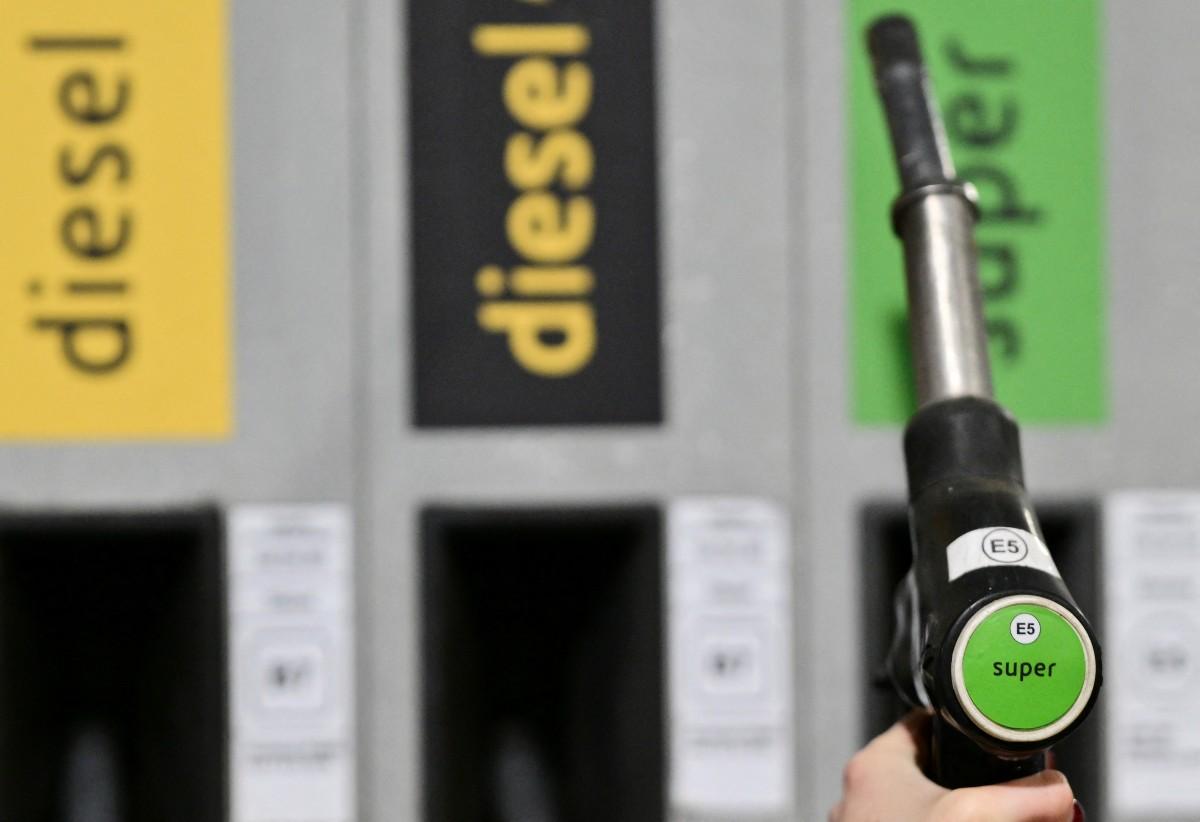
The surge in Brent crude past the $100 mark is the most visible signal of market anxiety. As a major oil-producing region descends into conflict, fears of supply disruptions—whether from direct damage, sanctions, or regional escalation—drive prices higher. This, in turn, acts as a direct tax on economic activity. The stock market's slide is a direct consequence; higher energy costs squeeze corporate profit margins across transportation, manufacturing, and consumer goods sectors, leading to a classic 'risk-off' sentiment where capital flows out of stocks.
The Ripple Effect: Inflation and Central Bank Dilemmas
For consumers and policymakers, the oil spike presents a serious complication. Energy is a foundational input for the entire economy, affecting the cost of everything from food production to logistics. A sustained period of elevated oil prices threatens to reignite inflationary pressures, just as many central banks were signaling a potential pause in their aggressive rate-hiking cycles. This new shock puts monetary authorities in a difficult position, forcing them to weigh growth concerns against their inflation-fighting mandates.
Market Psychology and the Fear Factor
Current trading is characterized by high volatility and headline risk. Each development in the conflict is absorbed and reflected in asset prices almost in real-time, creating a whipsaw environment. The dominant emotion is fear—fear of a wider war, fear of a sustained energy crisis, and fear that a fragile global economy, still recovering from recent shocks, cannot withstand another major disruption. Investor focus has shifted to key strategic chokepoints like major shipping lanes and the potential for the conflict to draw in other regional powers.
What Comes Next?
The path forward for markets depends heavily on the conflict's duration and scope. A quick de-escalation could see oil prices retreat and equities recover. However, a protracted war risks entrenching higher energy costs, slowing global economic growth, and forcing a recalculation of corporate earnings and consumer spending power. The situation is a stark reminder that in an interconnected world, geopolitical stability is a critical component of economic and financial stability.