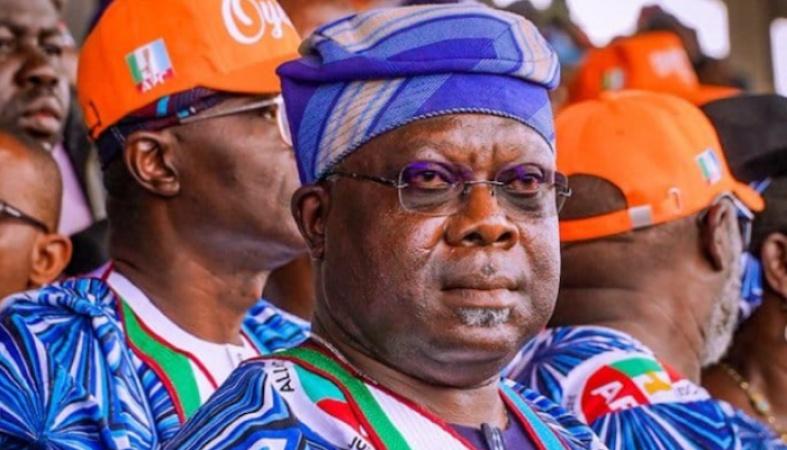
Iyiola Omisore, a prominent figure in the All Progressives Congress (APC), has taken the party to court, igniting a fresh internal crisis. This legal action comes at a critical juncture, with the Osun State governorship election scheduled for later this year. The move threatens to destabilize the ruling party's campaign in a state where it hopes to reclaim the governorship.
The lawsuit, filed by Omisore, represents a significant escalation of internal party disputes. As a former deputy governor of Osun State and a former national secretary of the APC, Omisore carries substantial political weight within the party's structure in the South-West region. His decision to pursue legal recourse suggests a breakdown in internal conflict resolution mechanisms.
This development directly impacts the APC's preparations for the upcoming Osun gubernatorial contest. Party cohesion and a unified front are essential for mounting a successful campaign against the incumbent administration. The public airing of grievances through the courts could distract from campaign efforts and expose divisions to the electorate.
The nature of the legal claims remains unspecified, but the act itself is a powerful political statement. It signals that Omisore feels his concerns or grievances within the party apparatus are not being adequately addressed through standard party channels. Such a public rift involving a senior figure can demoralize the party's rank-and-file members and supporters.
Historically, internal crises have proven costly for political parties in Nigerian elections. Disputes over candidate selection, party structure, and resource allocation have often led to defections or lackluster campaigns. The APC will now need to manage this legal challenge while simultaneously rallying its base and finalizing its strategy for Osun State.
For the people of Osun State, the political infighting within the APC could shape the electoral landscape. Voters often view internal party stability as a marker of a potential government's ability to govern effectively. A party embroiled in public legal battles may struggle to project an image of unity and competence on the campaign trail.
The timing of the lawsuit is particularly damaging, as it gives the opposition a clear line of attack. Rival parties can point to the APC's internal turmoil as evidence of disorganization and poor leadership. This could influence undecided voters who are evaluating which party is best positioned to address the state's challenges.
The next steps will involve the court's processes and the APC's official response to the lawsuit. How the party's national leadership handles this challenge—whether through reconciliation, a legal fight, or disciplinary action—will determine the severity of the electoral fallout. The outcome of this case could set a precedent for how internal party disputes are resolved in the future, with significant implications for Nigeria's political culture.