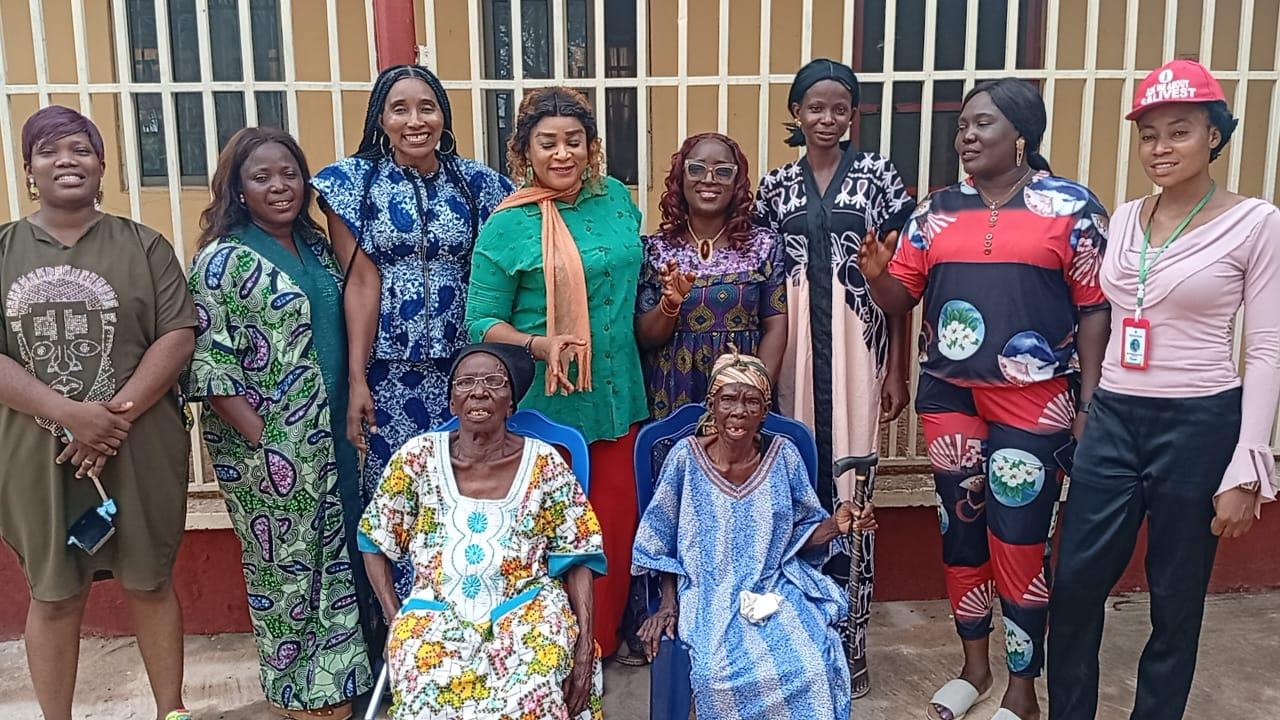
The Omoku Communities’ Development Committees Forum has taken a definitive step to institutionalize its authority, establishing two new committees designed to translate community dialogue into concrete action.
A Framework for Enforcement
At the core of this initiative is the enactment of the 'Establishment, Powers and Regulations of the CDC Forum Enforcement Committee' byelaw. This legal framework directly addresses a critical gap in many grassroots governance models: the lack of a clear mechanism to enforce collective decisions. The byelaw provides the formal, recognized authority needed to move from deliberation to implementation.
To operationalize this power, a 21-member Enforcement Committee has been formed, with Chief Chukwudi Nwabrije appointed as its Chairman. The committee's substantial size suggests an intent to incorporate broad community representation, ensuring its actions carry legitimacy across various interests and lineages.
Modernizing Cultural Institutions
Running parallel to the enforcement effort is a focus on social and traditional structures. A separate committee was inaugurated and its members sworn in on February 14, 2026, with a specific mandate: to draft operational guidelines for the Omelali Ukwunde Ochie Cultural Society.
This indicates a conscious effort to modernize and bring transparency to long-standing cultural institutions. The move from informal, customary practices to a codified system of written guidelines could help align traditional societies with contemporary governance standards and community expectations.
The Dual-Track Approach to Development
Together, these committees represent a dual-track strategy for community development. One arm focuses on the 'hard' power of governance and enforcement, ensuring rules are respected. The other focuses on the 'soft' power of culture and tradition, guiding their evolution in a structured manner. This holistic approach aims to build a more resilient and self-determining community structure in Omoku.