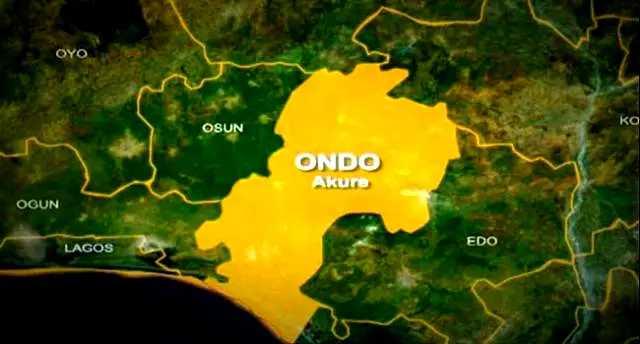
In a dramatic display of public frustration, residents of an Ondo community have brought a major highway to a standstill. The blockade is a direct protest against what they describe as worsening insecurity and a failure of official channels to protect lives and property.
From Grievance to Gridlock
The protest represents a significant tactical escalation. By targeting a vital transportation corridor, the community instantly transforms local safety concerns into a regional economic and social disruption. The halted traffic forces not only local authorities but every passing traveler to confront the issue.
A Symptom of a Wider Crisis
This action is not an isolated incident. It fits a pattern seen across Nigeria, where communities, perceiving formal security institutions as ineffective or unresponsive, resort to direct action. The highway itself becomes the platform—a loud, inconvenient megaphone for grievances that have gone unheard.
The Stakes of the Standoff
Ondo State is a key part of Nigeria's southwestern region, and its highways are lifelines for commerce and mobility. A sustained blockade has immediate ripple effects, impacting trade and travel far beyond the protest's immediate location.
The Pressure on Authorities
The ball is now in the court of state and federal officials. They face renewed and urgent pressure to engage with the protesting community, address the core security complaints, and restore a measure of public confidence. A failure to provide a credible and effective response risks prolonging the unrest or inspiring similar protests in other communities feeling equally vulnerable.
The Ondo highway blockade is more than a traffic jam; it is a stark indicator of the social contract under strain. It underscores a dangerous reality: when people lose faith in the system's ability to provide basic security, they will create their own, often disruptive, solutions.