Ondo State authorities have imposed an immediate and indefinite ban on all commercial motorcycle operations between 7pm and 6am. Announced on March 10, 2026, this uniform restriction across all 18 local government areas targets what officials describe as a direct link between nighttime motorcycle movement and rising criminal activities.
The Security Rationale
Government officials explicitly connected the night-time operations of commercial motorcycles, locally called 'okada', to a recent spike in criminal incidents. Perpetrators have reportedly used these vehicles as getaway transportation under darkness. The ban aims to disrupt the operational logistics of kidnappers and armed robbers by eliminating this mode of nocturnal transport, thereby increasing risk and difficulty for criminal movement between communities.
Economic and Social Impact
The prohibition creates immediate logistical challenges for thousands of commercial motorcycle riders who rely on evening and night fares for income. Many residents in both urban and semi-urban areas depend on okada as a primary, affordable transportation option after sunset. The economic ripple effects are expected to be substantial, affecting not only riders but also nighttime movement of goods, services, and shift workers across the state.
Enforcement and Penalties
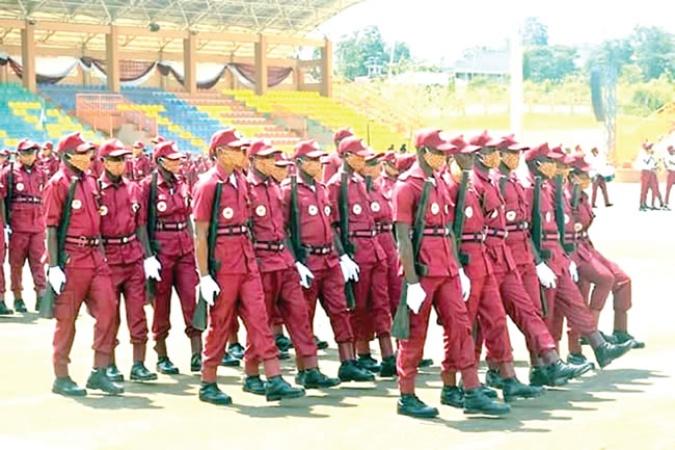
Enforcement will involve the Nigeria Police Force and the state's security network, Amotekun. Checkpoints are likely to be reinforced during restricted hours to identify and impound violating motorcycles. The government has warned of severe penalties for riders caught operating after 7pm, though specific fines or legal consequences weren't detailed in the initial announcement.
Historical Context and Effectiveness
Similar bans in other Nigerian states have produced mixed results, often prompting criminals to adapt methods rather than cease operations entirely. The effectiveness of Ondo's approach will depend on consistent enforcement and complementary security measures.