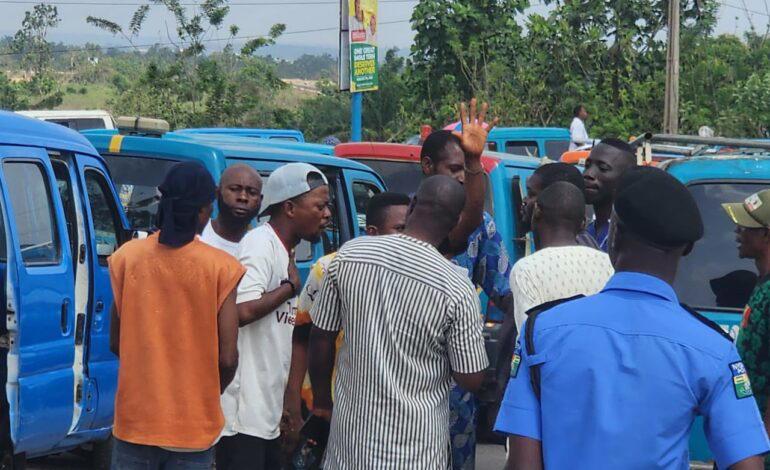
Public transportation in Osogbo, the capital of Osun State, has been brought to a standstill. Commercial mini-bus drivers have launched a protest, withdrawing their vehicles from the roads to demand an immediate increase in passenger fares. This collective action is a direct response to a recent and substantial hike in the price of fuel, creating widespread disruption for the city's residents.
The Economic Trigger: Unsustainable Operations
The core of the protest lies in simple economics. Drivers assert that the current fare structure is no longer viable. The surge in the cost of petrol has drastically inflated their daily operational expenses. Without a corresponding adjustment in the revenue they collect from passengers, many drivers claim they are operating at a significant loss. This acute financial pressure has forced the difficult decision to park their buses.
City at a Standstill: The Impact on Commuters
The absence of these mini-buses—known locally as 'danfo' or 'kabu-kabu'—has severely impacted daily life. Residents who rely on this informal but critical transport network for commutes to work, markets, and schools have been left stranded. The protest underscores the essential role these operators play in urban mobility and economic activity. The sudden vacuum in services has not only caused inconvenience but also highlighted the sector's vulnerability to external price shocks.
Seeking Resolution: The Path to a New Fare Chart
The drivers' central demand is official approval for a revised fare chart. They are calling on relevant transport unions and regulatory authorities to authorize an increase that reflects the new reality of fuel costs. Resolution typically involves negotiations between driver associations, union leaders, and state transport officials. The outcome of these talks will have a direct and immediate impact on the cost of living for thousands of Osogbo residents, as any approved increase will be passed on to passengers.
A Recurrent Nigerian Challenge
This scenario is a recurrent theme across Nigeria. Fuel price increases, sensitive to global market fluctuations and domestic supply chain issues, act as a direct trigger for transport fare disputes. The cycle is predictable: pump prices rise, commercial drivers' margins evaporate, and pressure mounts to transfer the cost to consumers. The Osogbo protest is the latest manifestation of this ongoing economic tension, demonstrating how international oil market dynamics resonate on the streets of Nigerian cities.