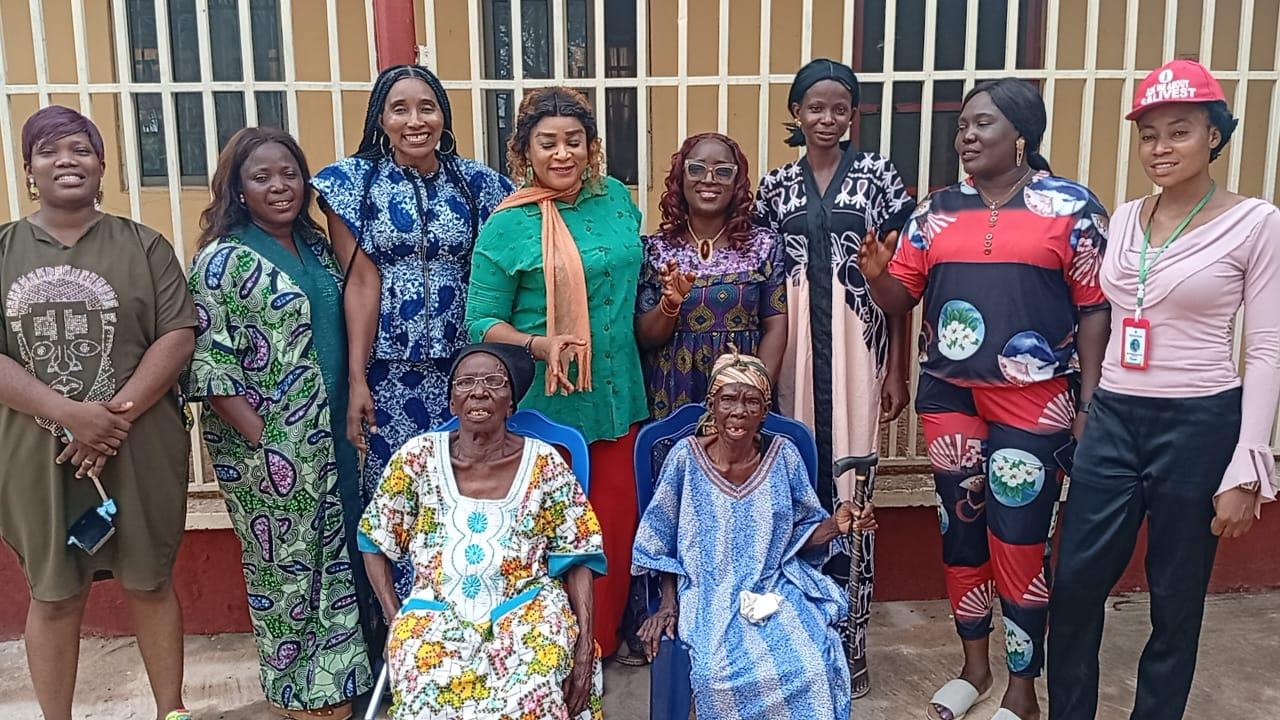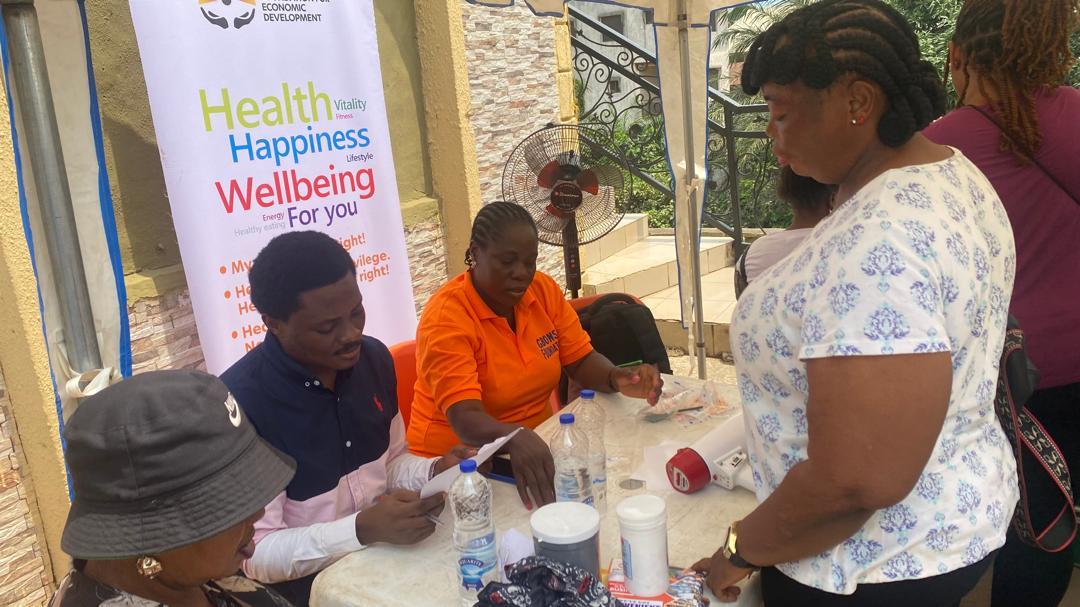
The queue stretched down the block early on International Women's Day, a quiet but determined line of women waiting for a door to open. For many, this was their first chance in years to have a doctor listen, to have tests run without first calculating the cost. The Gbonse Foundation had transformed a community hall into a temporary clinic, its volunteers in bright shirts moving between stations, turning a global day of recognition into a local day of action.
Inside, the air hummed with focused activity. Nurses took blood pressure readings at one table, while at another, women discussed family health histories with clinicians. The screenings covered a range of basic but vital checks—assessments that can catch conditions early, when they are most treatable. For the foundation, the goal was simple: remove the financial and logistical barriers that often keep women from prioritizing their own health.
'We come last, always,' one participant, a mother of three, whispered to a volunteer as she waited. Her comment echoed a common reality, where women's health is frequently deferred for the needs of children, partners, or work. The Gbonse Foundation's event directly challenged that narrative, creating a space where care was not just available but actively offered. The turnout of over one hundred women spoke to a deep, unmet need in the community.
Organizers had prepared for a significant response, but the steady flow of attendees throughout the day confirmed their suspicions about the scale of local demand. Each screening represented a story—a worry addressed, a potential problem flagged for follow-up, or simply the peace of mind that comes from a clean bill of health. The foundation's model relied on partnerships with local medical professionals who donated their time, turning goodwill into tangible service.
Beyond the clinical tests, the event fostered a sense of communal support. Women chatted in the waiting area, sharing experiences and information about other local resources. This side effect—the building of informal networks—may prove as valuable as the medical data collected. Preventative healthcare is not just about tests; it's about creating a culture where seeking care is normalized and supported.
The Gbonse Foundation itself operates with a community-focused philosophy, often targeting interventions around specific calendar moments to maximize impact and awareness. An International Women's Day health drive aligns perfectly with the day's themes of equity and empowerment. Access to healthcare is a fundamental pillar of that empowerment, affecting a woman's ability to work, care for her family, and participate fully in community life.
While the event provided immediate care, it also highlighted systemic gaps. The fact that a single day of free screenings could draw such a crowd points to broader issues of affordability and healthcare infrastructure. The foundation's work serves as both a stopgap and a powerful demonstration of what is possible when resources are intentionally directed toward women's needs. Their success may pressure larger institutions to examine their own outreach and accessibility.
As the clinic closed, volunteers began packing away equipment, but the work was far from over. The foundation now faces the task of ensuring follow-up care for those whose screenings revealed concerns, a critical next step in making the day's impact lasting. Plans are already being discussed to make the medical screening an annual International Women's Day tradition, building on this year's momentum to reach even more women next March.