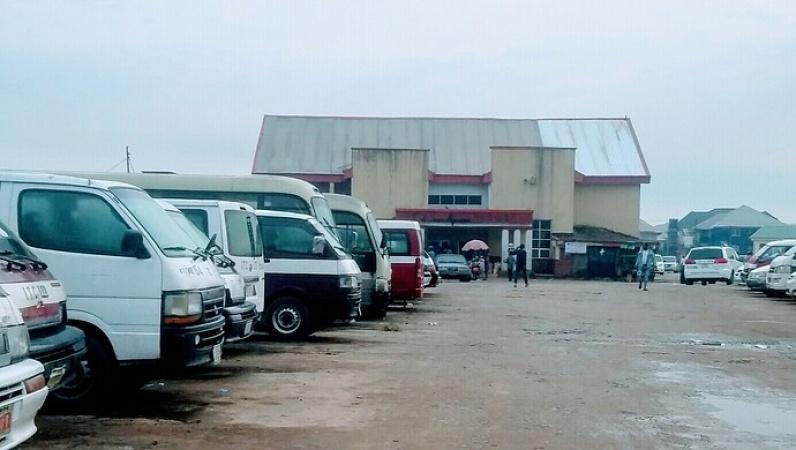
Public transport in Owerri, the capital of Imo State, has been completely paralyzed. Bus drivers across the city have initiated an indefinite strike, withdrawing their vehicles from service in a coordinated protest. This immediate action has left commuters stranded and disrupted the daily flow of the city, signaling a severe breakdown in a critical public service.
The strike is a direct response to the financial pressure exerted by rising fuel prices. For commercial drivers, fuel represents one of their largest and most volatile operational costs. When the price at the pump increases, it directly cuts into their daily earnings, often turning a marginal profit into a net loss. The decision to strike indicates that drivers have reached a tipping point where continuing to operate is no longer economically viable.
Analyzing the drivers' position reveals a simple but brutal economic equation. Their income is largely fixed by regulated fares or competitive market rates, while their primary expense—fuel—is subject to external market and policy forces. A sustained increase in fuel costs, without a corresponding adjustment in fares, erodes their profit margin to zero. This strike is therefore a market correction, forcing a confrontation between the cost of a key input and the price of the service provided.
In practical terms, the indefinite nature of this work stoppage creates immediate and cascading problems for Owerri's residents. Workers cannot get to their jobs, students are unable to reach schools, and goods movement is hampered. The economic cost of a paralyzed city quickly exceeds the specific grievance of the drivers, putting pressure on local authorities and business leaders to seek a resolution. The strike weaponizes the city's dependency on affordable public transport.
The broader significance lies in what this action signals about inflationary pressures on essential services. Transport is a foundational component of any urban economy, and its disruption is a leading indicator of social strain. When the providers of a basic service like intracity bus transport can no longer function, it suggests that inflation is moving beyond the price of goods and into the cost structure of daily life, affecting mobility and access.
Historically, fuel price increases in Nigeria have triggered widespread industrial action and social unrest, given the commodity's central role in the economy. While this strike is currently localized to Owerri, the underlying cause is a national issue. The drivers' action tests the local government's capacity to manage a crisis that has federal roots, potentially setting a precedent for similar protests in other state capitals if the fuel price trend continues.
For commuters and businesses, the indefinite timeline is the most disruptive element. Without a defined end date, individuals and companies cannot make reliable contingency plans, leading to economic uncertainty. The longer the strike persists, the greater the likelihood of secondary economic effects, including lost wages, reduced retail sales, and lower productivity, which could amplify the initial economic shock of the fuel price rise.
The immediate forward-looking fact is the need for a negotiation. The strike will likely continue until a mediating discussion occurs between the drivers' union, represented by their leadership, and relevant state authorities or transport regulators. The key data point to watch will be any announcement of a meeting date or the formation of a committee to address fare structures or potential palliative measures for commercial drivers, which would be the first step toward resolving the standoff.