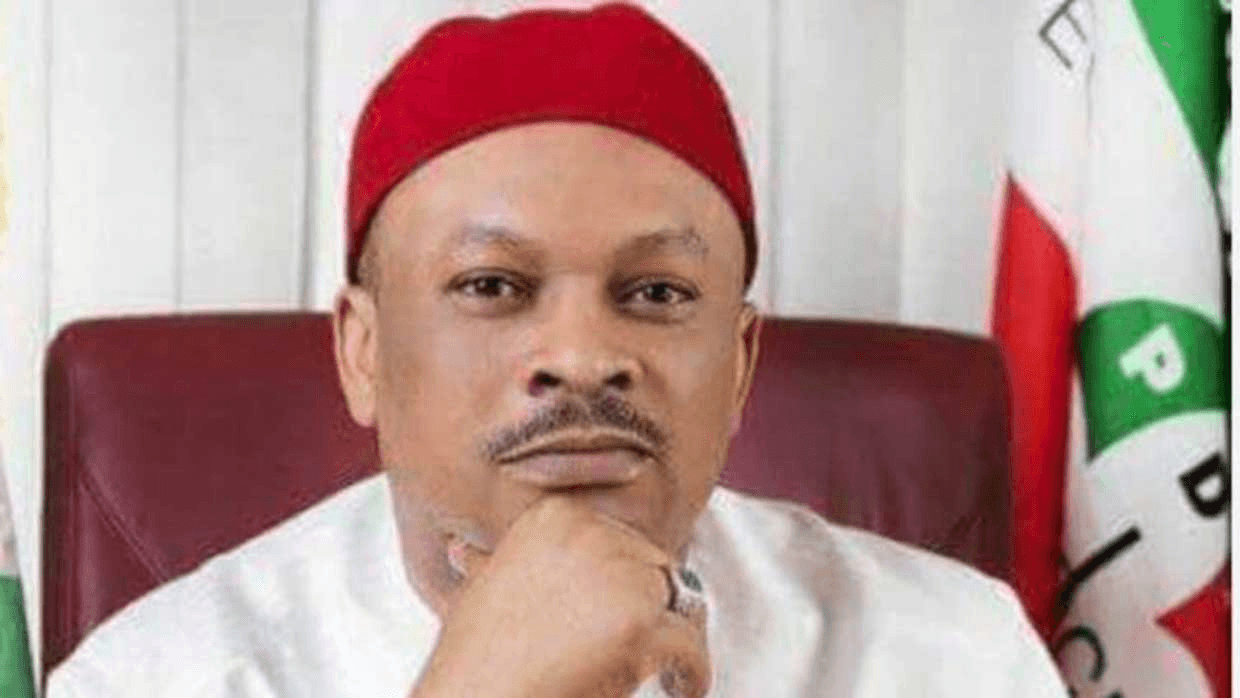
In a significant move for Nigeria's main opposition party, the People's Democratic Party (PDP) has declared its intention to return to its original national headquarters. Samuel Anyanwu, the party's National Secretary, stated on March 10 that the PDP will "very soon" reoccupy Wadata Plaza in Abuja.
A Symbolic Homecoming
This announcement is more than a logistical update; it's a deeply symbolic gesture. Wadata Plaza served as the PDP's nerve center for decades, hosting critical meetings of the National Executive Committee (NEC) and strategy sessions that shaped Nigerian politics. The party's operation from an alternative secretariat in recent times has been a physical manifestation of the internal factional disputes and leadership tussles that have hampered its cohesion.
Addressing Physical and Political Displacement
Anyanwu's pledge directly confronts this period of displacement. For party members, Wadata Plaza represents institutional memory and political identity—a bastion of the party's legacy. The commitment to return suggests ongoing negotiations behind the scenes to settle the issues—whether financial, legal, or related to party control—that necessitated the move.
The Stakes for Opposition Politics
The timing of this push for normalization is crucial. As the PDP continues to position itself as the primary alternative to the ruling party, projecting stability and organizational unity is paramount. A fractured party operating from multiple addresses undermines public confidence and complicates nationwide campaign coordination. Control of Wadata Plaza has historically been intertwined with control of the party itself.
The Path Forward
The planned return to Wadata Plaza is a clear step toward consolidating the party's operations and presenting a unified front. While the specific timeline remains "very soon," this move is widely seen as an essential prerequisite for the PDP to effectively regroup and challenge in future electoral cycles. The party's next NEC meeting at the plaza will be the first major test of this renewed commitment to a single, recognized center of power.


