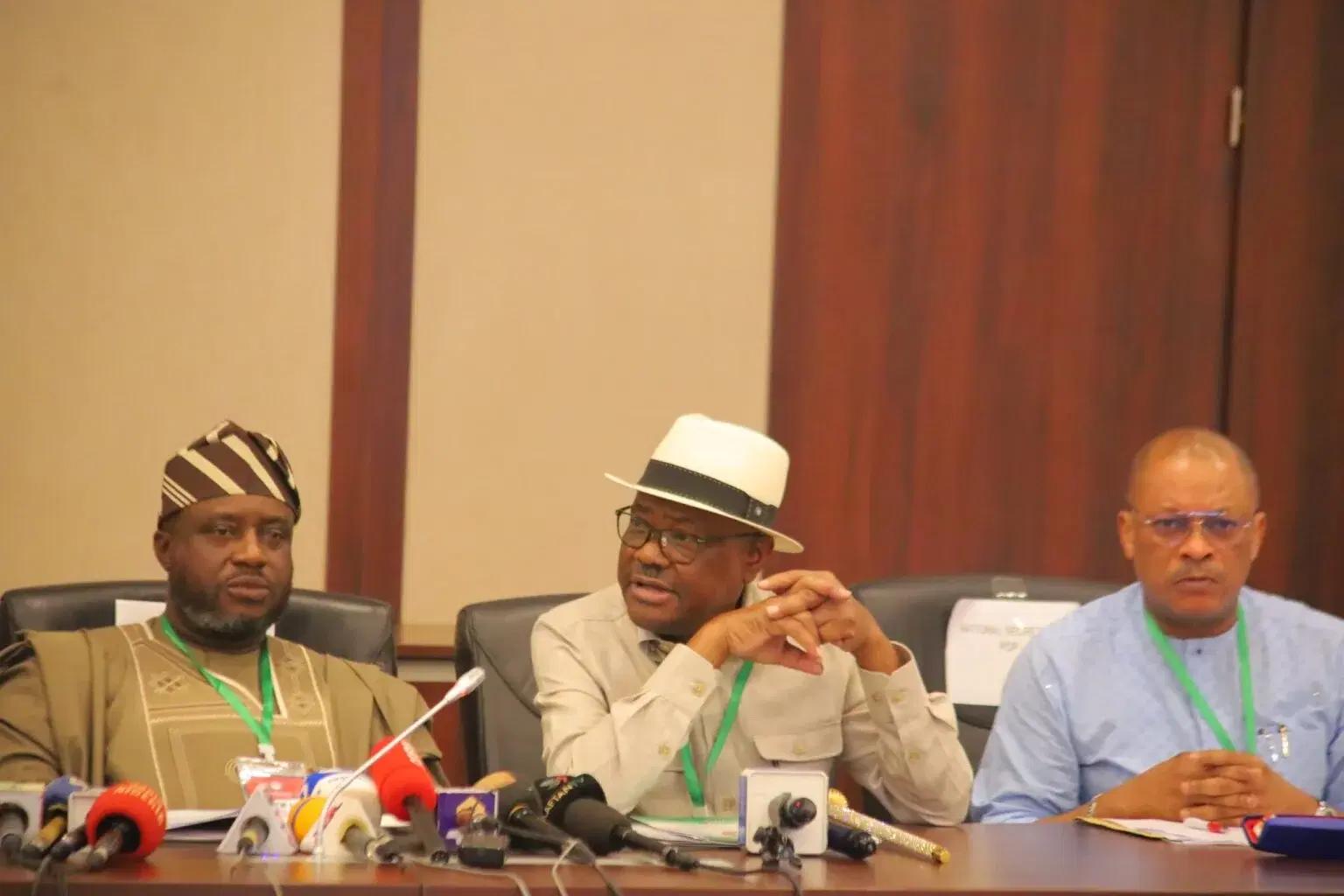
The Peoples Democratic Party (PDP) is in damage control mode. Its highest advisory body, the Board of Trustees (BoT), has convened a crucial meeting in direct response to a recent and significant Appeal Court judgment against the party.
A Response to Crisis
This gathering is not routine. It represents a structured, high-level response to an event deemed serious enough to threaten party stability. The BoT's primary agenda is to deliberate on the fallout from the legal defeat and chart the party's next strategic moves.
Mediating Internal Divisions
The meeting comes at a time of visible internal tension within the PDP. Legal setbacks in Nigerian politics often act as catalysts, exacerbating pre-existing factional disagreements over leadership, strategy, and direction. The BoT's core function is to provide guidance and mediate such disputes, making its intervention a key internal mechanism for conflict resolution and consensus-building.
Beyond the Courtroom
While the specific details of the judgment are pivotal, the BoT's agenda reportedly extends to other unspecified party management issues. This suggests the ruling is one of several pressure points requiring the elders' attention. A holistic review allows the party to assess its overall health and trajectory ahead of future electoral cycles.
The Weight of Advisory Power
In practical terms, the conclusions from this meeting carry substantial weight. While advisory, the BoT's recommendations can influence critical operational areas for the PDP, including resource allocation, public messaging, and candidate support systems. The outcome of this deliberation signals whether the party moves from internal discord to a unified front, a critical factor for its viability as Nigeria's main opposition force.