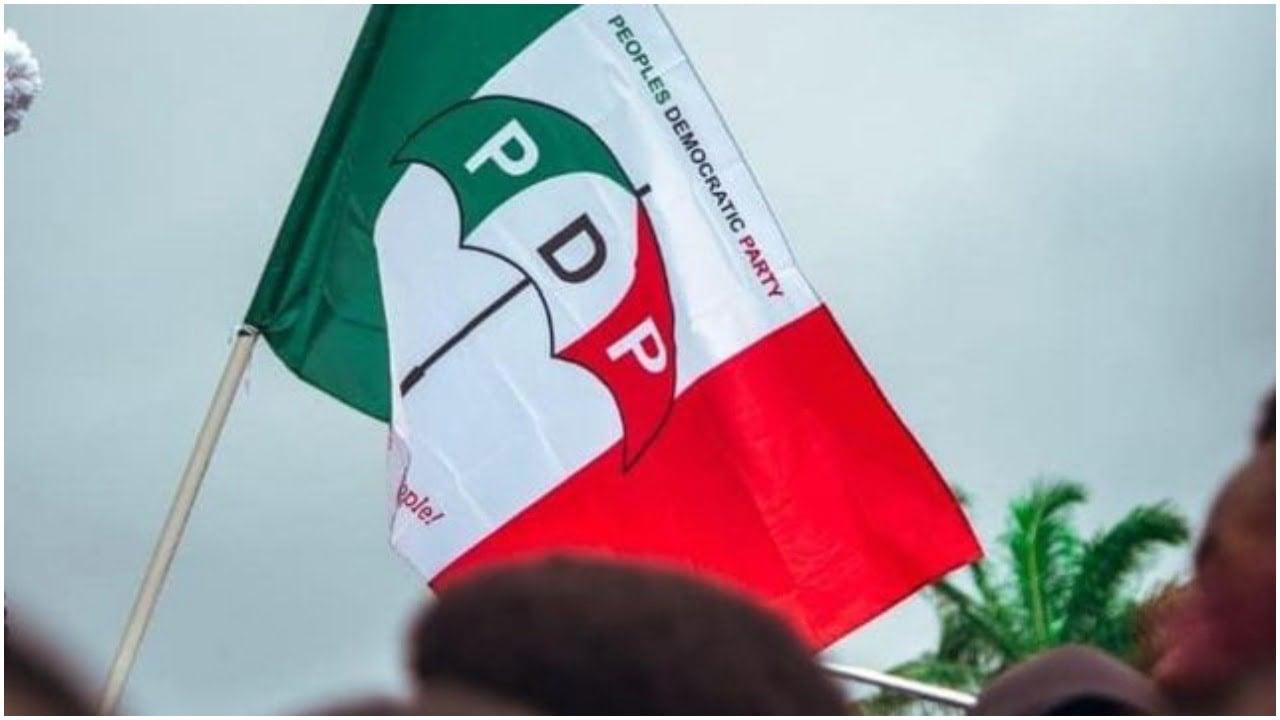
A palpable tension has replaced the usual buzz of conversation at Peoples Democratic Party (PDP) offices across the country. Discussions about market prices or football have been sidelined by hushed, urgent talks about a recent court verdict and its existential implications for the party. For many supporters, the PDP is more than a political vehicle—it's the embodiment of their communal hopes. Watching internal factions battle feels akin to a painful public family feud.
The Elders' Call to Order
In response, a collective sigh of relief is emerging with the confirmation that the party's elders are stepping into the fray. These respected figures, many from the party's founding era, are perceived as the stabilizing 'uncles and aunties' capable of calling younger, combative members to order. Their reconciliation mission resonates at the grassroots not as high-stakes politicking, but as a necessary intervention to 'stop the shouting' and refocus on representing the people.
The Spark: A Court Verdict Deepening Cracks
The catalyst for this crisis is a court verdict that, regardless of its specific legal details, has effectively poured fuel on long-smoldering internal disagreements. In taxi parks and market stalls, the consensus is clear: the judgment has widened existing fractures. There's a growing fear among the electorate that if leaders remain consumed by legal battles and media wars, foundational issues like infrastructure decay and the rising cost of staple foods will be neglected. 'The internal fight is a luxury we can't afford,' is a common sentiment.
Quiet Diplomacy Over Public Spectacle
The elders' approach is notably pragmatic and discreet. Eschewing flashy press conferences, they are reportedly engaged in closed-door meetings, private phone calls, and direct appeals for calm. This behind-the-scenes diplomacy leverages the enduring cultural weight of respect for elders, aiming to remind all factions of the party's core principles and shared history beyond the immediate quarrel.
Grassroots Frustration and the Path Forward
For the average party supporter, the prolonged division has bred confusion and frustration. A recurring question heard at bus stops and community gatherings is, 'How can they ask for our votes when they can't even agree among themselves?' The success of the elders' intervention will be measured not by press statements, but by the party's ability to reunite and redirect its energy toward the substantive work of governance and opposition that its constituents demand.


