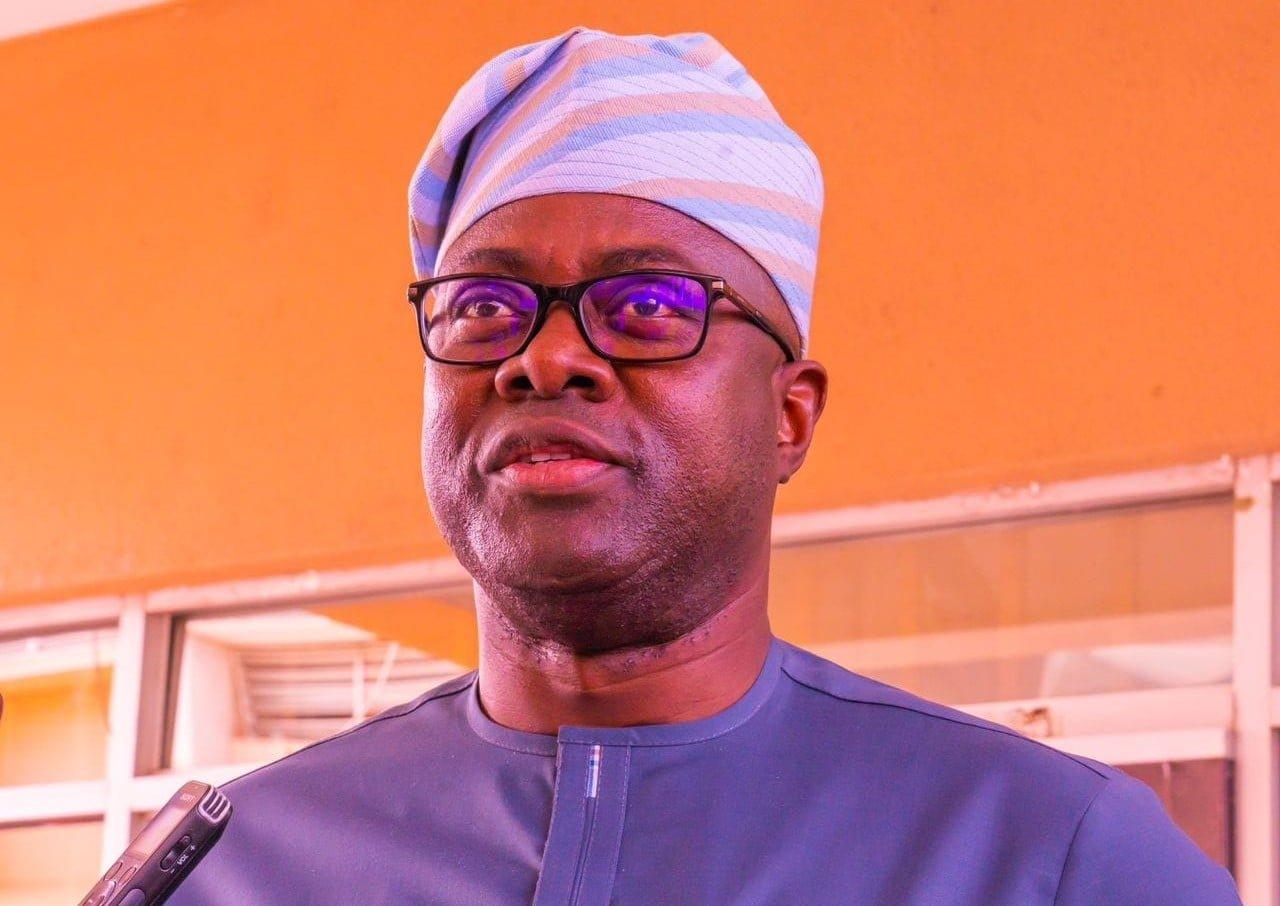
In a candid and grim assessment, Oyo State Governor Seyi Makinde has revealed the staggering decline of the Peoples Democratic Party (PDP), stating the party now holds only two governorships in Nigeria. This admission follows the defection of Zamfara State Governor Dauda Lawal, marking a critical moment for an opposition already struggling for relevance.
The Defection That Broke the Bench
Makinde's statement centers on the exit of Governor Dauda Lawal from the PDP. Lawal's departure is particularly significant, stripping the party of a key figure in Nigeria's northwest and drastically reducing its national footprint. This move is not isolated but part of a sustained exodus of influential leaders that has left the PDP's ranks alarmingly thin.
By the Numbers: An Existential Crisis
The math, as presented by Makinde, is brutally simple. Subtract Lawal, and the PDP is left with just two state governors: Makinde himself in Oyo and Governor Bala Mohammed in Bauchi State. For a party that once controlled the presidency and a majority of states, this represents a spectacular collapse of political capital and an existential crisis playing out in real-time.
The Remaining Duo and Their Hollowed-Out Kingdom
Governor Seyi Makinde and Governor Bala Mohammed now find themselves as the de facto custodians of the PDP's subnational authority. Their influence within the party structure is now outsized precisely because that structure has been hollowed out. Makinde's public focus on the numerical reality, rather than naming his sole remaining colleague, underscores the party's fragile state.
The Broader Context: A Party in Freefall
This crisis occurs against the backdrop of a PDP still reeling from its loss in the 2023 presidential election and subsequent internal fractures. High-profile defections to the ruling All Progressives Congress (APC) and other parties have become routine, each one further eroding the opposition's ability to present a credible national alternative. Makinde's comment makes this decline impossible to ignore.
What This Means for Nigerian Democracy
A robust democracy requires a strong opposition to ensure accountability and provide voters with a choice. The PDP's dramatic shrinkage at the state level—the bedrock of political organization—raises serious questions about the health of Nigeria's political plurality. With the 2027 general elections on the horizon, the party faces the monumental task of rebuilding from a position of profound weakness or risk fading into irrelevance.


