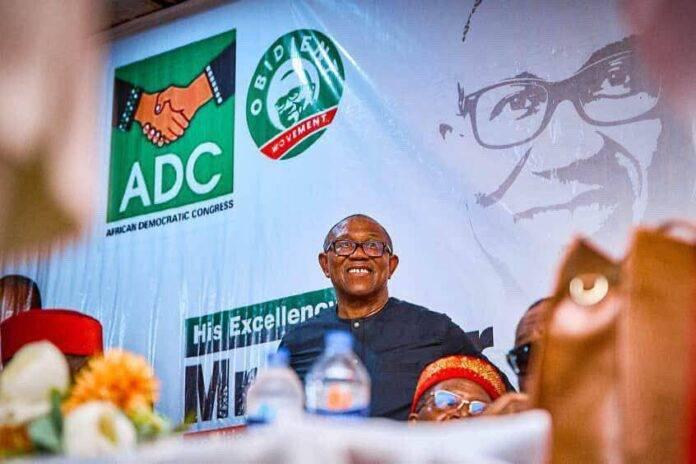
A simple yet profound question is circulating through Nigerian political discourse: can the people choose Peter Obi as their next president? Framed as 'The Obedient Question,' this query transcends one candidate's ambition. It strikes at the core of Nigeria's democratic development, asking whether the electorate can select a leader who represents a significant departure from the established political order.
The 'Prodigal Son' in Nigerian Politics
Nigeria operates a presidential system where power is highly concentrated in the executive office. Elections have historically been fiercely contested along regional and party lines that have remained remarkably stable. The phrase 'political prodigal son' describes a figure like Obi—someone who was once part of mainstream political machinery but has since charted an independent course. His return challenges the very coalitions that have defined Nigerian politics for generations.
Peter Obi's Political Profile
Peter Obi served as governor of Anambra State from 2006 to 2014, earning recognition for fiscal prudence and infrastructure development. After leaving office, he remained politically active, including as the vice-presidential candidate for the People's Democratic Party in 2019. His current bid, however, positions him differently—as an outsider despite his extensive experience, running under the Labour Party banner.
Why 'The Obedient Question' Matters
The phrasing itself is significant. It transforms the election from a mere contest between candidates into a referendum on political consciousness. Are Nigerian voters 'obedient' to traditional power structures and voting patterns based on ethnicity and party loyalty? Or are they ready to respond to a different call—one prioritizing governance records and policy over established affiliations?
This question gains urgency as Nigeria faces multiple challenges requiring innovative leadership. Obi's campaign tests whether credibility built through state-level governance can trump national party machinery. The answer will reveal much about the maturity of Nigeria's democracy and the evolving priorities of its electorate.