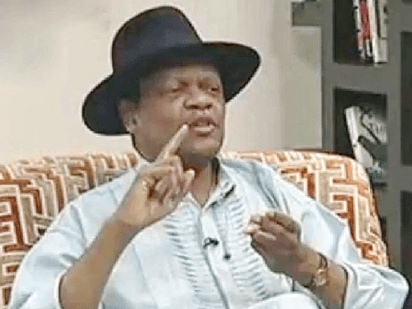
In a significant political development, former Director-General of the Nigerian Maritime Administration and Safety Agency (NIMASA), Dakuku Peterside, has publicly criticized Nigeria's security agencies over the detention of former Kaduna State governor, Nasir El-Rufai. This intervention, made in early March 2026, represents a rare and direct challenge from a political figure to the conduct of the nation's law enforcement and intelligence bodies.
The Unfolding Situation
The detention of Nasir El-Rufai, a two-term former governor and a prominent figure within the ruling All Progressives Congress (APC), has been shrouded in speculation. His tenure in Kaduna was marked by controversial policies and a stringent security approach. The precise legal grounds and circumstances leading to his current detention have not been officially detailed, creating a vacuum filled with political rumor.
Peterside's Core Argument
Peterside's statement strategically shifts the public focus. It moves the conversation away from the reasons for El-Rufai's detention and toward the methods and authority of the agencies detaining him. By publicly 'calling out' entities like the Department of State Services (DSS) and police, Peterside is questioning their operational transparency and adherence to constitutional due process. This critique implicitly suggests the detention may lack a solid legal foundation or has overstepped accepted boundaries.
Why This Critique Carries Weight
The credibility of the critic is paramount. Dakuku Peterside is not a peripheral commentator; he is a seasoned political figure and former head of a major government agency. His critique cannot be easily dismissed as uninformed or merely partisan. It forces the establishment, the media, and the public to confront uncomfortable questions about the balance between expansive state security powers and the protection of individual rights—even for the nation's political elite.
The Broader Implications
Security agencies in Nigeria operate with broad mandates, especially in matters labeled as national security. The detention of a figure of El-Rufai's stature indicates the case is being treated with utmost seriousness. Peterside's public challenge now tests the resilience of Nigeria's democratic institutions. It probes whether there are effective mechanisms to hold powerful security apparatuses accountable and whether the rule of law applies uniformly, regardless of political status.
The coming days will be critical. The response—or lack thereof—from the Presidency, the APC leadership, and the security agencies themselves will signal much about the current state of governance and the delicate equilibrium between security and liberty in Nigeria.


