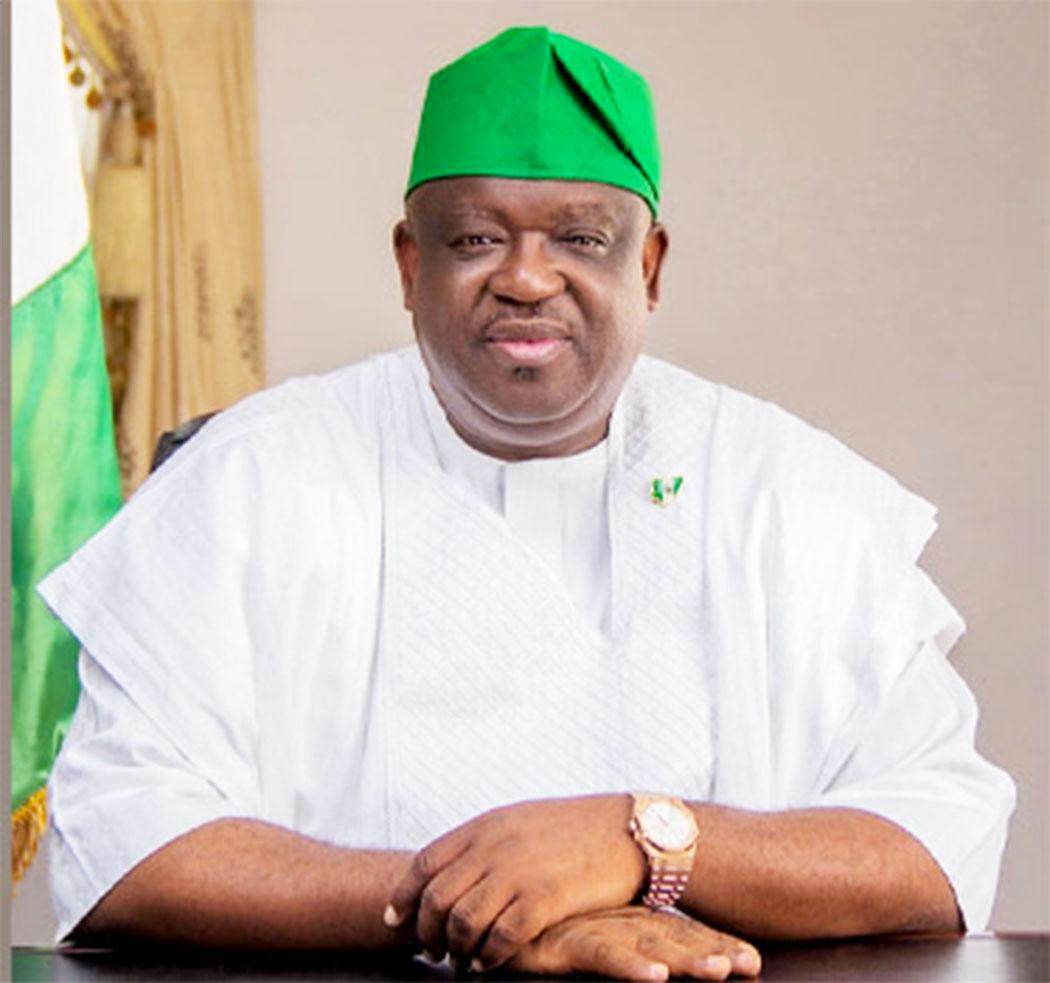
Governor Caleb Mutfwang of Plateau State has taken a concrete step toward potentially reshaping Nigeria's security landscape by establishing an advisory committee to explore the creation of state police. This move directly aligns with a growing push from the Federal Government to decentralize policing powers, signaling a serious examination of transferring law enforcement responsibilities to the state level.
The Current Centralized System
For decades, law enforcement in Nigeria has been controlled almost entirely by the federal government through the Nigeria Police Force. This single, national entity is responsible for policing all 36 states and the Federal Capital Territory. Critics have long argued that this centralized model is inefficient and ill-equipped to address the unique security challenges—such as farmer-herder clashes and banditry—that vary dramatically from region to region.
Why the Push for State Police Now?
The concept of state police is not new, but it has gained significant political and legislative momentum recently. The Federal Government's openness to constitutional amendments allowing states to create their own police services has created a window for action. Proponents believe local police forces would be more responsive to community needs, possess better local knowledge, and could be tailored to address specific regional conflicts.
Plateau's Preparatory Move
Governor Mutfwang's formation of an advisory committee is a direct, formal response to this national conversation. The committee is tasked with studying the practicalities of establishing a Plateau State Police Force. Its work will likely involve examining critical areas:
- Legal Framework: Navigating constitutional requirements and potential amendments.
- Funding Models: Determining sustainable financial structures for a state-level force.
- Operational Structure: Designing command systems, recruitment, and training protocols.
- Coordination Mechanisms: Outlining how a state force would collaborate with the Nigeria Police Force and other federal security agencies.
This committee represents the essential groundwork that must be completed before any actual police force can be established. Think of it this way: the Federal Government has opened the door to discussing a new security architecture, and Plateau State is now sending a team to meticulously draft the blueprint.
The outcome of this committee's work could set a precedent for other states considering similar moves, making Plateau a potential pioneer in Nigeria's evolving security governance.


