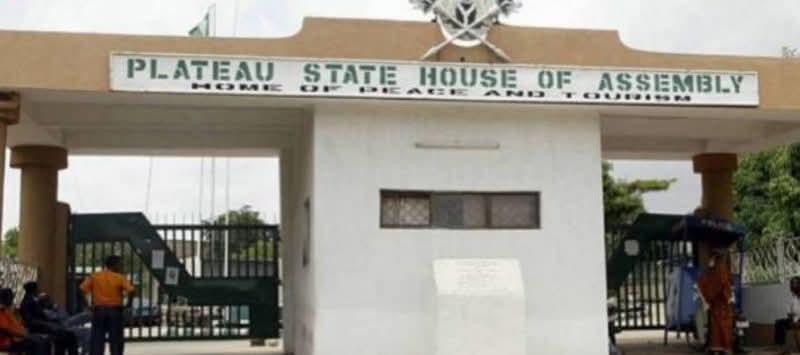
The Plateau State House of Assembly is advancing a bill designed to bolster its independence from the executive branch, a move that could redefine governance and accountability in the state. The legislation focuses on legislative autonomy, which would allow the assembly to manage its own finances, hire and oversee staff, and set internal rules without relying on the governor's office.
Currently, many state legislatures in Nigeria, including Plateau's, depend on the executive for budgetary approvals and fund releases. This dependency can limit the assembly's ability to act as an effective check on gubernatorial power. The new bill seeks to address this by establishing a separate legislative budget, approved and managed directly by the assembly.
Why Legislative Autonomy Matters
Legislative autonomy isn't just an administrative shift—it's a foundational principle of democratic governance. When a legislature controls its own resources, it can operate as a co-equal branch of government, fostering greater transparency and oversight. Without it, lawmakers may hesitate to challenge executive decisions, potentially weakening accountability.
The Bigger Picture
This move aligns with ongoing national discussions about strengthening state legislatures across Nigeria. Critics have long argued that many governors wield disproportionate influence, with assemblies sometimes serving as rubber stamps. Plateau's initiative could inspire similar efforts in other states or remain a localized reform. Either way, it signals a notable development in the state's political landscape.
What Comes Next
The bill must now navigate committee reviews and a full assembly vote. If passed, it would mark a significant step toward institutional independence, though implementation would require careful planning to ensure smooth operations. Observers will be watching to see if this sparks a broader trend toward legislative empowerment in Nigerian states.
For residents of Plateau State, this bill represents a potential shift toward more balanced governance—one where the assembly can more freely represent public interests without financial constraints.