The Inspector-General of Police, Kayode Egbetokun, has formally called for a stronger, more structured partnership between the Nigeria Police Force and the nation's media. He made this appeal while publicly commending journalists for their role in society. The IGP's statement represents a direct institutional overture aimed at formalizing collaboration on public safety and transparency.
IGP Egbetokun specifically hailed the work of journalists, acknowledging their critical function in informing the public and holding institutions accountable. His praise signals a shift in tone, seeking to move past historical tensions between law enforcement and the press. The call for partnership is framed as a necessary step to address contemporary security challenges through coordinated communication and mutual understanding.
This initiative seeks to establish a formal framework for cooperation, moving beyond ad-hoc interactions. The proposed partnership would involve regular dialogue, information sharing protocols, and joint initiatives on public safety messaging. The police leadership views this as essential for building public trust and ensuring accurate reporting on security matters.
The IGP's appeal underscores the police force's recognition of the media's power to shape public perception and community engagement. A stronger alliance is intended to facilitate the swift dissemination of critical safety information to citizens. It also aims to provide journalists with reliable access to official sources and data, reducing misinformation.
Historically, relationships between police institutions and media organizations in many jurisdictions have been marked by suspicion and limited access. IGP Egbetokun's overture attempts to reset this dynamic by positioning the media as a strategic ally in national security. The success of such a partnership hinges on consistent transparency from police authorities and responsible reporting from journalists.
For the media, this proposed collaboration presents both opportunity and responsibility. It offers the potential for deeper access to police operations and policy developments. Journalists must, however, maintain editorial independence and rigorous scrutiny to fulfill their watchdog role effectively within any new cooperative framework.
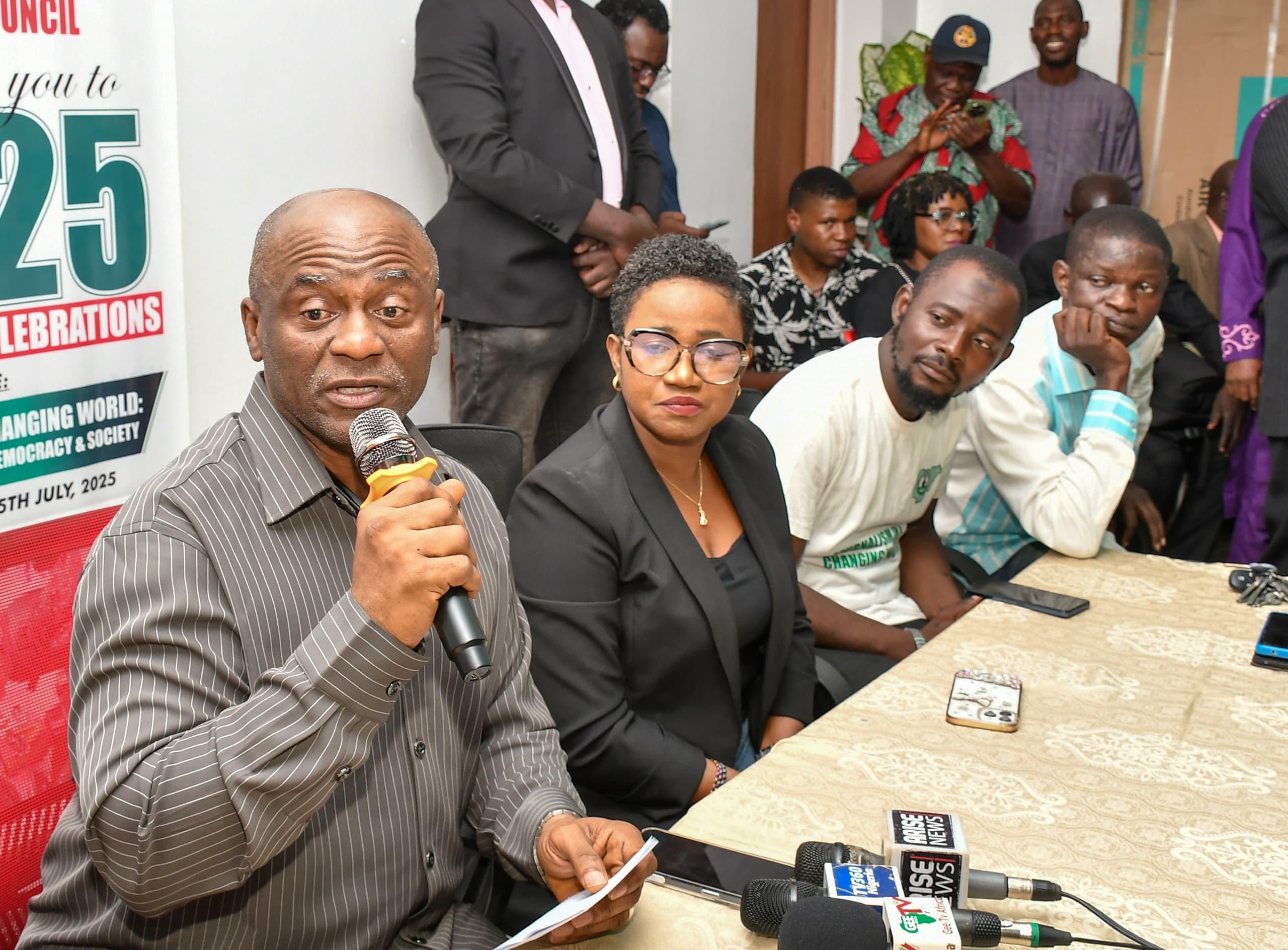
The next step involves concrete engagement between police headquarters and media industry bodies to define the partnership's structure. This will likely include discussions on establishing liaison officers, creating shared platforms for briefings, and developing guidelines for covering sensitive operations. The process will test the commitment of both institutions to this new collaborative model.
IGP Egbetokun has directed police commands nationwide to engage proactively with local media outlets as part of this broader initiative. The national police headquarters is expected to convene a meeting with editors and media executives in the coming weeks to formalize the partnership's principles and operational mechanisms.