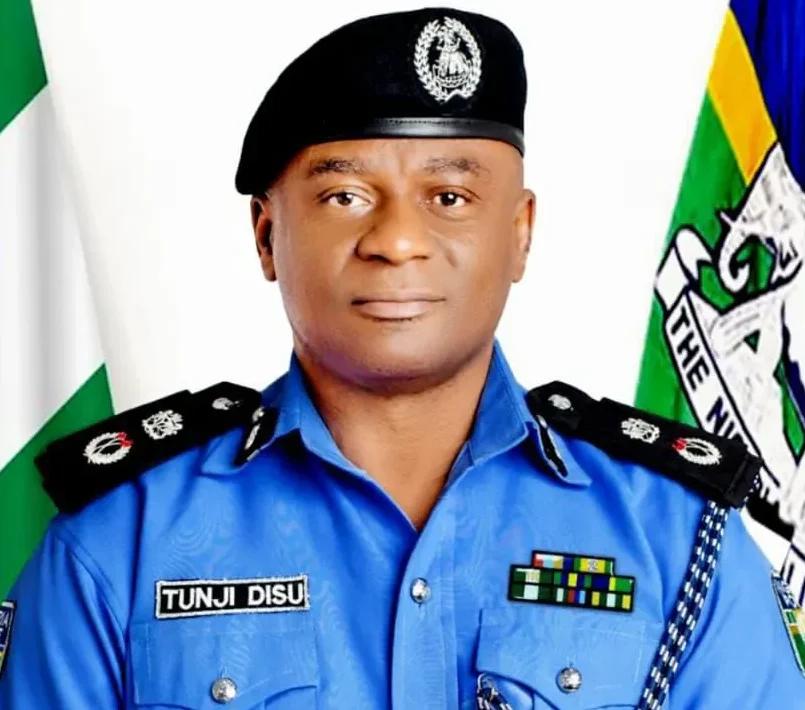
In a significant declaration, Nigeria's Inspector-General of Police, Kayode Egbetokun, has vowed to launch a major offensive to 'recapture' communities in Kwara State that have been completely overrun by armed bandits. This isn't just another anti-crime operation—it represents a strategic shift in acknowledging the scale of the crisis.
The Admission in the Language
The IGP's choice of words—'recapture'—carries heavy implications. It confirms what residents and local governments have reported for months: these aren't criminals merely hiding in rural areas. They have established control, pushed out lawful residents, enforced their own rules, and created de facto no-go zones. This transition from sporadic violence to territorial occupation changes everything about the security response.
What 'Overrun' Really Means on the Ground
For the affected communities, life has ground to a halt. Schools are shuttered, local markets stand empty, and farms lie abandoned. The basic functions of local government cease. The social contract is broken, as bandits replace the state as the authority figure. The promise to 'recapture' is, therefore, a promise to restore not just safety, but the very framework of daily life.
The Tactical Challenge: From Raid to Hold
Previous operations often followed a 'clear and leave' pattern. A recapture mission demands a different playbook. It will likely require coordinated, large-scale assaults involving multiple security agencies, followed by the most difficult phase: holding the territory. This means establishing a permanent, credible police or military presence to prevent the bandits from simply returning once the main force withdraws. The logistical and personnel demands are substantial.
Kwara's Vulnerability: The Spillover Effect
Kwara State, in Nigeria's north-central region, has suffered from spillover violence. Bandits, pressured in more notorious northwestern hotspots, have identified Kwara as softer territory. Their tactics have evolved from hit-and-run attacks to settlement and consolidation, making the security challenge more entrenched and complex.
The Road After Recapture: Rebuilding Trust
Even if the military objective is achieved, the mission is only half complete. The deeper challenge is rebuilding community trust in a state apparatus that many feel failed to protect them. Restoring schools, markets, and governance will be essential to prevent a vacuum from re-forming. The IGP's vow puts the police force on the hook for not just a battle, but a long-term campaign of stabilization.
This pledge comes amid growing pressure from state governments and displaced communities who feel abandoned. By setting the specific goal of recapturing lost towns, the police leadership is creating a measurable benchmark for success—and accountability.