The political landscape across several Nigerian states witnessed significant tremors this week, with legislative houses taking decisive actions that underscore their oversight roles and internal disciplinary mechanisms.
Cross River: Lawmaker Suspended Amid Misconduct Probe
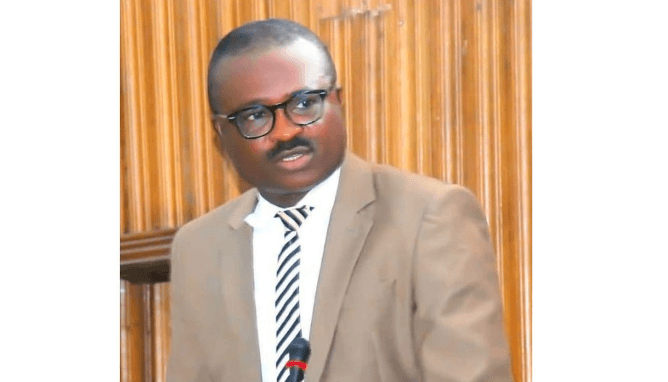
The Cross River State House of Assembly made a decisive move by indefinitely suspending Hon. Dickson Ovat Agbor, the member representing the Obubra I State Constituency. The suspension followed a motion moved during plenary and signals the Assembly's authority to discipline its members. While the specific details of the misconduct allegations remain undisclosed to the public, the House has constituted a committee to investigate the matter. The suspension is effective immediately and will remain until the committee submits its report and the House makes a final determination, highlighting the legislative body's commitment to due process.
Kano: Impeachment Proceedings Against Deputy Governor
In a more severe development, the Kano State House of Assembly has initiated impeachment proceedings against the state's Deputy Governor, Comrade Aminu Abdussalam Gwarzo. The notice was read during a plenary session, with the Majority Leader stating that 38 members had signed the petition—a number that suggests substantial support within the house. This move plunges Kano into a deeper political crisis and will be a major test of the state's governance stability in the coming weeks.
Edo: Assembly Flexes Oversight Muscle, Summons BEDC
Separately, the Edo State House of Assembly has exercised its oversight function by summoning the management of the Benin Electricity Distribution Company (BEDC). The utility company is to appear before the legislators on March 9, 2026, to address persistent public concerns over unreliable electricity supply and distribution challenges. This action reflects the growing impatience of both citizens and their representatives with the performance of critical infrastructure providers.
Analysis: A Pattern of Assertive Legislatures?
These simultaneous actions, though occurring in different states and contexts, paint a picture of increasingly assertive state legislatures. From internal discipline in Cross River, to high-stakes executive accountability in Kano, and public utility oversight in Edo, the assemblies are actively wielding their constitutional powers. Whether these moves represent genuine accountability drives or are fueled by deeper political undercurrents remains a subject for close observation as each situation develops.