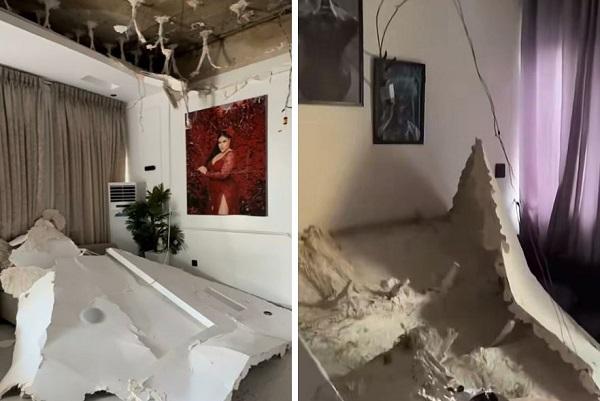
Imagine a quiet evening at home. A sharp crack echoes from above. Before you can react, a cloud of white dust and heavy debris crashes down onto your living room furniture. This isn't a scene from a disaster movie—it's a reality for a growing number of homeowners and business operators as decorative Plaster of Paris (POP) ceilings fail without warning.
The Allure of the Seamless Finish
POP ceilings became synonymous with modern, upscale interior design. Their primary appeal lay in the ability to create flawlessly smooth surfaces, elegant curves, and intricate patterns that traditional materials couldn't match. For years, they were the go-to choice for achieving a clean, high-end aesthetic in both residential and commercial spaces.
A Pattern of Silent Failure
The recent collapses are alarming because they don't fit a simple narrative. They are not isolated to one faulty batch of material or a single contractor's work. Reports are emerging from various structures, suggesting a systemic or widespread issue. Most disturbingly, these failures often occur with little to no prior indication. Unlike problems caused by persistent water leaks, which might show stains or sagging over time, many of these POP ceilings show no visible signs of weakness before suddenly giving way.
From Design Feature to Direct Threat
This lack of warning elevates the issue from a cosmetic or maintenance concern to a genuine safety hazard. The collapse can cause extensive property damage, destroying furniture, electronics, and flooring. More critically, it poses a direct physical danger. The combined weight of the plaster and the force of the fall can lead to concussions, lacerations, or more severe injuries for anyone caught underneath.
Investigating the Root Causes
The recurring nature of these incidents points investigators toward several potential failure points. The scrutiny falls on a chain of possibilities:
- Material Degradation: The POP compound itself may lose integrity, become brittle, or weaken its bond over time due to environmental factors.
- Faulty Installation: Improper mixing ratios, inadequate underlying support structures (like the metal lath or frame), or incorrect application techniques during installation could create latent weaknesses.
- Adhesive Failure: The bonding agent used to secure the plaster to the base ceiling is a critical component. If this adhesive fails, the entire ceiling layer can detach.
As the pattern becomes clearer, building safety experts are urging property owners with decorative plaster ceilings, particularly in buildings over a decade old, to consider professional inspection. The stylish ceiling of yesterday may require a safety check today.