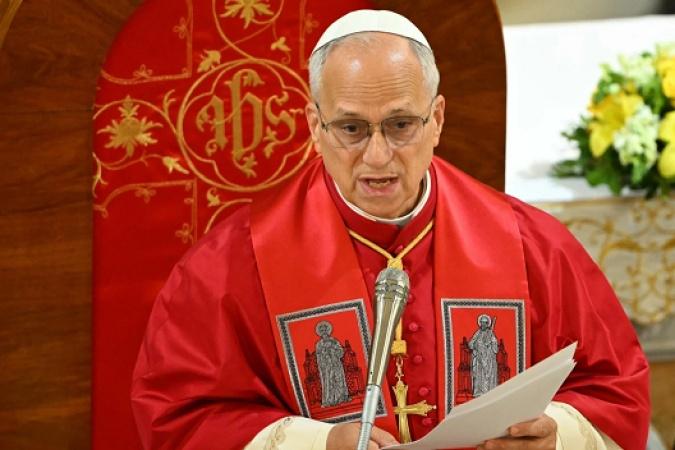
Pope Francis has accepted the resignation of a United States bishop charged with embezzling church funds. The Vatican announced the decision today. This action removes a sitting diocesan bishop from office due to pending criminal charges—a rare and severe step in the modern American church. It signals the Vatican's direct intervention in a local scandal that threatens broader institutional credibility.
Prosecutors allege the bishop diverted money from a diocesan account. The funds were intended for core parish operations or specific charitable works. While the exact sum and years involved remain sealed in court documents, the charge itself implies a significant, sustained breach of fiduciary duty. Embezzlement statutes typically require proof of intent, meaning authorities believe they can demonstrate the bishop knowingly stole from the church he led.
Church law mandates bishops offer resignation at age 75. This bishop resigned under the unique pressure of a criminal indictment. By accepting it, Pope Francis avoids a lengthy and public canonical trial for removal. The resignation itself is an administrative act, not an admission of guilt, but its timing is inextricably linked to the secular legal case. It effectively sidelines the bishop from all ministerial authority immediately.
The diocese now faces a sudden leadership vacuum. A temporary administrator—likely a neighboring bishop—will be appointed to govern. This administrator assumes full financial and pastoral control, a necessary step to stabilize a diocese in crisis. The search for a permanent successor is a meticulous Vatican process involving consultation, investigation, and papal approval, often lasting over a year.
Financial scandals have periodically erupted in the US Church, often overshadowed by the clergy sexual abuse crisis. This case is different. It targets the alleged theft of operational funds by the chief shepherd himself. That distinction makes it a direct assault on financial stewardship and internal governance. Parishioners and donors rightly question how such alleged actions could go undetected.
Diocesan finances are governed by a mix of canon law and civil law, with oversight from lay finance councils and independent auditors. The criminal charge suggests a catastrophic failure of these layered controls. It prompts urgent internal reviews in dioceses nationwide. Who had signature authority on the account? Were financial reports falsified? Did the lay council raise alarms that were ignored?
For Pope Francis, this is a distinct governance test. His pontificate has removed bishops for 'negligence' in handling abuse cases—failures of oversight. This scenario alleges active, personal misconduct by the bishop. Managing this crisis requires balancing pastoral concern for the diocese, respect for the legal process, and a clear demonstration that the church holds its leaders accountable.
The criminal justice system moves next. The bishop will be arraigned and must enter a plea. Federal or state prosecutors will present evidence to a grand jury or at trial, potentially revealing detailed financial transactions. A conviction could bring substantial prison time, fines, and mandatory restitution to the diocese.
Concurrently, the Vatican's Congregation for Bishops likely opened a canonical investigation. Church penalties for clerics found guilty of financial crimes include dismissal from the clerical state—effectively being defrocked. This process runs parallel to secular courts but can conclude independently, meaning the bishop could face punishment from both church and state.
The local impact is profound. Priests and staff in the diocese must operate under a cloud of scandal. Parishioners experience betrayal and confusion. Donations may decline as trust erodes. Rebuilding that trust will be the central task of the next bishop, who must implement transparent financial reforms as a non-negotiable first priority.
This case also reverberates in Rome. The Vatican has struggled for decades to impose universal financial transparency standards, like those requiring dioceses to follow detailed anti-money laundering procedures. A high-profile failure in the wealthy US church strengthens the argument for stricter, externally audited global norms.
The bishop's resignation does not end the story. It accelerates it. Legal discovery will subpoena bank records and internal communications. Testimony from diocesan staff may follow. Each revelation will fuel public scrutiny of how Catholic institutions manage money—scrutiny that extends far beyond this single diocese.
Watch the local courthouse. The next hearing date in the criminal case is the immediate milestone. That proceeding will define the factual allegations in detail and set the course for a public trial.