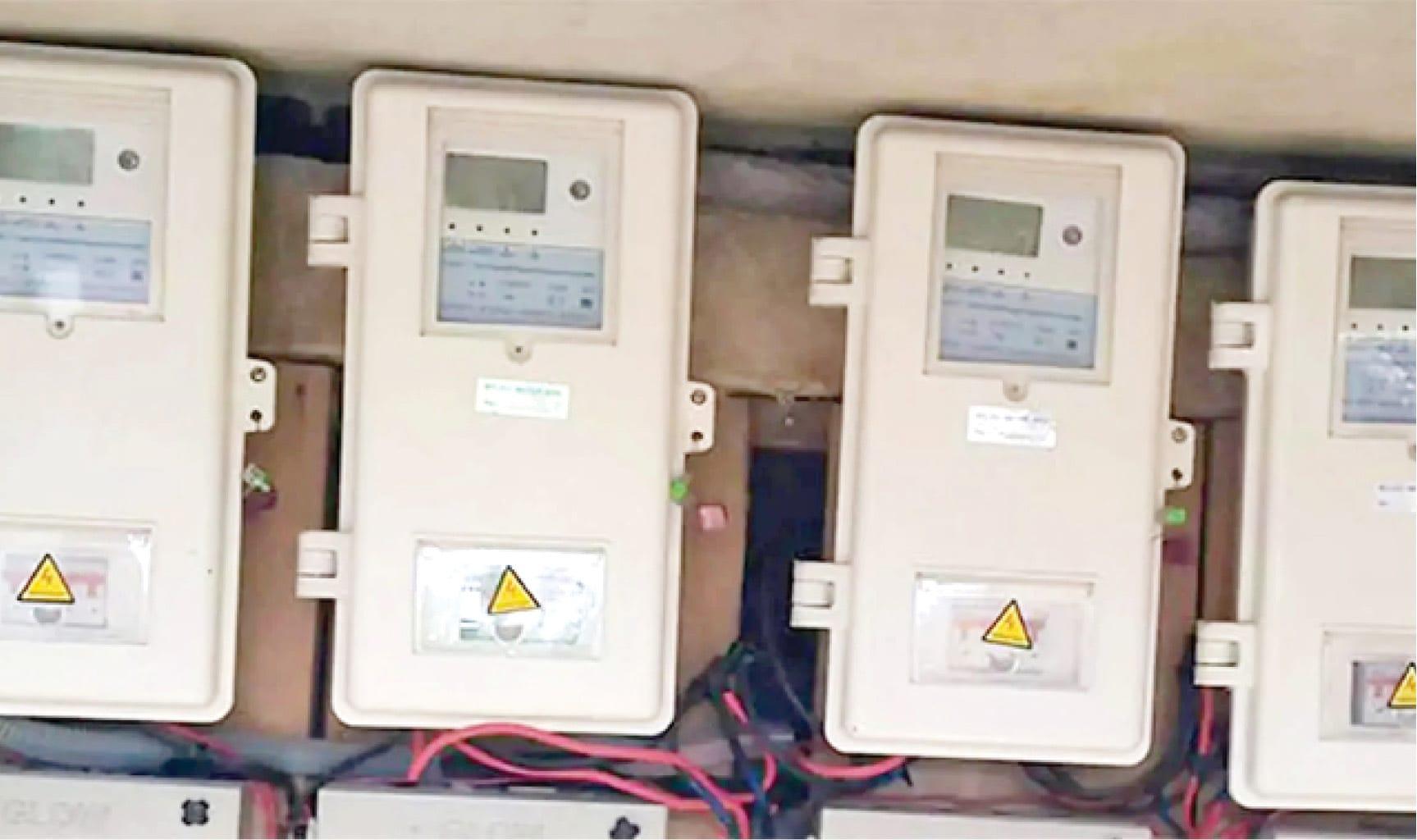
The Nigerian Electricity Regulatory Commission has disclosed that power distribution companies collected a staggering N207 billion from consumers in December 2023 alone. This massive revenue figure emerges against a backdrop of widespread complaints about unreliable electricity supply and burdensome tariffs across the country.
The Reality Behind the Billions
For Nigerian households and businesses, this N207 billion figure represents more than just a statistic. It translates to millions of individual bills paid by families choosing between keeping lights on and meeting other essential needs. It includes payments from small businesses—tailors, barbers, cold room operators, and bakeries—that face the double burden of electricity bills plus expensive generator fuel.
The Small Business Squeeze
Consider the typical small business owner running a bakery. Consistent power is crucial for oven operation, yet public supply remains unreliable. When the grid fails, generators running on costly diesel become necessary, often exceeding the electricity bill itself. Despite this, the DisCo bill arrives regularly. Their payment, multiplied across millions of similar enterprises, contributes significantly to that N207 billion total. This cost cycle erodes profits and increases prices for consumers nationwide.
The Accountability Gap
NERC's announcement notably lacks a detailed breakdown of how these substantial funds are being utilized. Communities across Nigeria are asking pointed questions: With this level of revenue collection, why does infrastructure remain inadequate? Why do transformers fail and power lines remain precarious? The disconnect between collected revenue and service delivery remains a primary concern for consumers.
Looking Beyond December
December's N207 billion collection highlights the scale of Nigeria's electricity sector finances. It underscores the urgent need for greater transparency in how DisCos allocate collected revenues toward infrastructure improvement, maintenance, and service enhancement. As consumers continue paying substantial amounts, expectations for corresponding service improvements will only intensify.
The regulator's future reports will be closely watched for indicators of whether this revenue translates to tangible upgrades in Nigeria's power supply reliability.