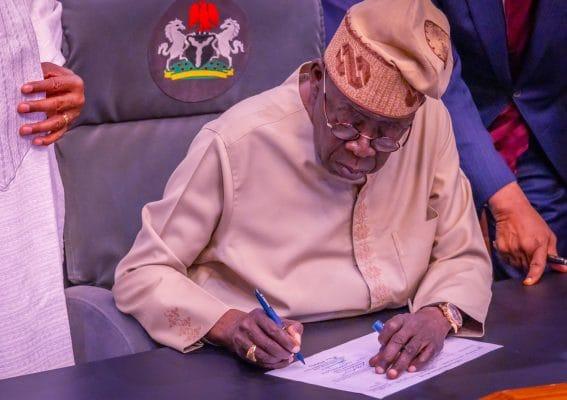
President Bola Tinubu has granted formal approval for a monumental $20 billion investment into the Bonga Deepwater oil project, marking one of the most significant financial commitments to Nigeria's energy sector in recent history. The decision channels substantial capital toward developing the nation's critical offshore hydrocarbon resources.
The Bonga field, situated approximately 120 kilometers off the Niger Delta coast, is a cornerstone of Nigeria's deepwater oil production. This new investment is earmarked for expansion and enhanced recovery operations within the existing field. The scale of funding suggests extensive development, including new drilling platforms, advanced subsea infrastructure, and extended production facilities.
Strategic Shift to Offshore Assets
This investment underscores a strategic pivot. Deepwater projects like Bonga are essential for Nigeria to offset declining output from its aging, onshore oil fields. Offshore operations typically offer higher production volumes and are less susceptible to the security challenges, pipeline vandalism, and community disputes that frequently disrupt land-based operations. Focusing on deepwater assets is central to the national goal of ramping up crude oil production capacity.
Economic Implications and Fiscal Stability
The $20 billion allocation highlights the administration's prioritization of the oil and gas sector as a primary engine for economic growth. Revenue from increased production is vital for funding the national budget and bolstering foreign exchange earnings. A successful expansion at Bonga could directly contribute to stabilizing the country's fiscal position and strengthening the Naira.
Pathway to Implementation
Presidential approval was the final administrative step required to unlock the project funding. The Nigerian National Petroleum Company Limited (NNPCL) operates the Bonga field under a production-sharing contract with international partners, including Shell. With the green light from the presidency, the investment will now proceed through the established channels of the joint venture for implementation. The immediate next steps involve initiating the complex contracting process for engineering, procurement, and construction, setting the stage for a multi-year execution phase.