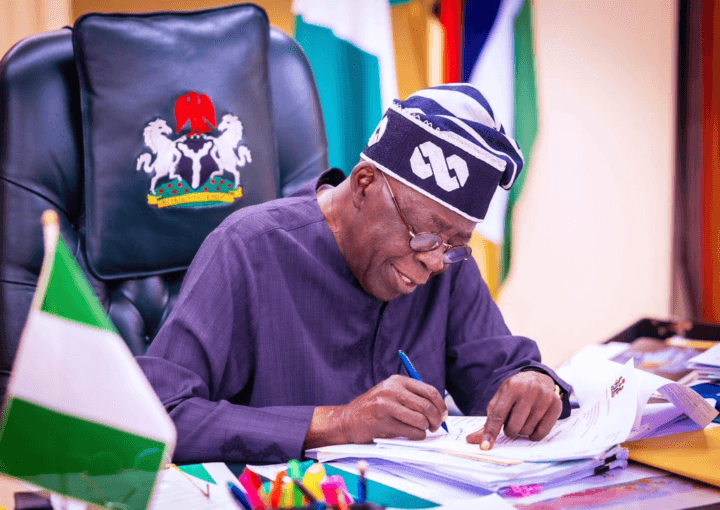
President Bola Tinubu has formally approved the postings of ambassadors to various countries, marking a decisive step in staffing Nigeria's diplomatic missions worldwide. This action concludes a significant reshuffle within the foreign service, assigning the nation's top envoys to strategic posts across different continents.
The Role of an Ambassador
Approving ambassadorial postings is a fundamental executive responsibility. Each appointed diplomat will serve as Nigeria's primary official representative in their host country. Their critical mandates include advancing national interests, negotiating bilateral agreements, fostering economic partnerships, and providing essential consular assistance to the Nigerian diaspora.
A Strategic Process
The specific countries and appointees are detailed in the official list. Such postings are never arbitrary; they typically result from meticulous consideration of geopolitical significance, existing trade volumes, security cooperation needs, and regional diplomatic dynamics. Ambassadors act as the vital conduit for maintaining open channels of communication and executing foreign policy directives from Abuja.
Ensuring Continuity
President Tinubu's approval follows the established constitutional and administrative process for high-level diplomatic appointments. This routine yet vital function ensures Nigeria maintains a full and accredited diplomatic corps across its global network of embassies and high commissions. The move signals administrative continuity, systematically filling vacancies to keep all missions operational and effective.