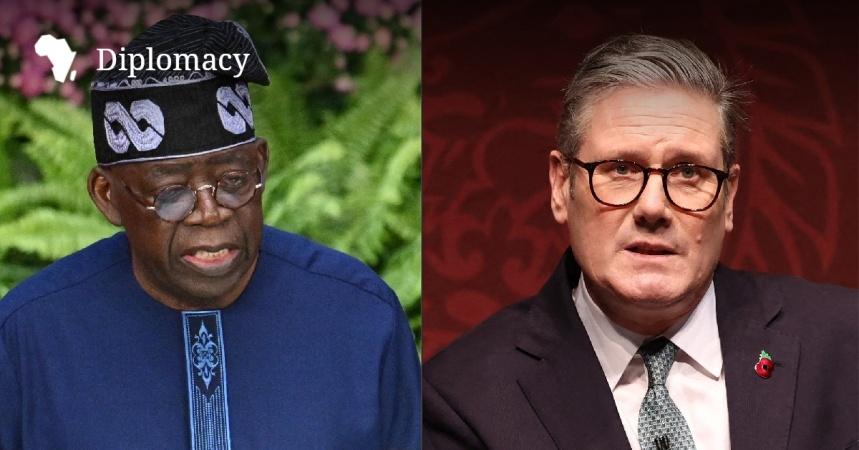
President Bola Ahmed Tinubu has summoned Nigeria's service chiefs for an emergency security meeting at the Presidential Villa, Abuja, according to five independent sources familiar with the matter. The high-stakes meeting comes against the backdrop of renewed and deadly attacks across several regions in the country, raising urgent questions about the nation's security framework.
The Trigger: A Week of Escalating Violence
The decision to convene the security council follows a particularly violent period. Communities in Plateau, Kaduna, and Niger states have suffered devastating attacks in recent days, resulting in significant casualties and displacement. These incidents have amplified public and political pressure on the administration to demonstrate decisive action.
Inside the Meeting: Agenda and Expectations
While the exact deliberations remain confidential, security analysts suggest the agenda focuses on an immediate review of current operational strategies. The meeting likely involves the Chief of Defence Staff, General Christopher Musa, and the heads of the Army, Navy, Air Force, and the Inspector-General of Police. The objective is presumed to be the formulation of a robust, coordinated response to curb the escalating insecurity.
Strategic Implications and the Road Ahead
This emergency session is more than symbolic. It represents a critical juncture for the Tinubu administration's security policy. Observers anticipate announcements regarding the redeployment of tactical assets, enhanced inter-agency cooperation, and possibly new directives for theatre commanders in the most affected regions. The outcome of this meeting will be closely watched as a measure of the government's capacity to restore stability and public confidence.