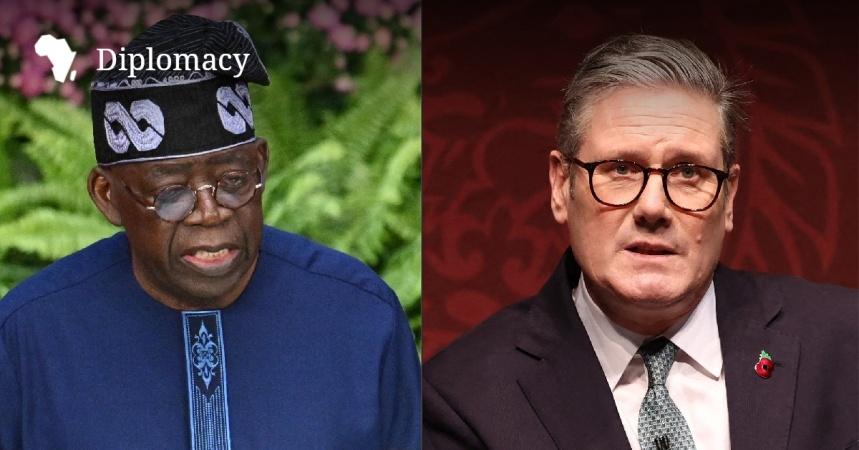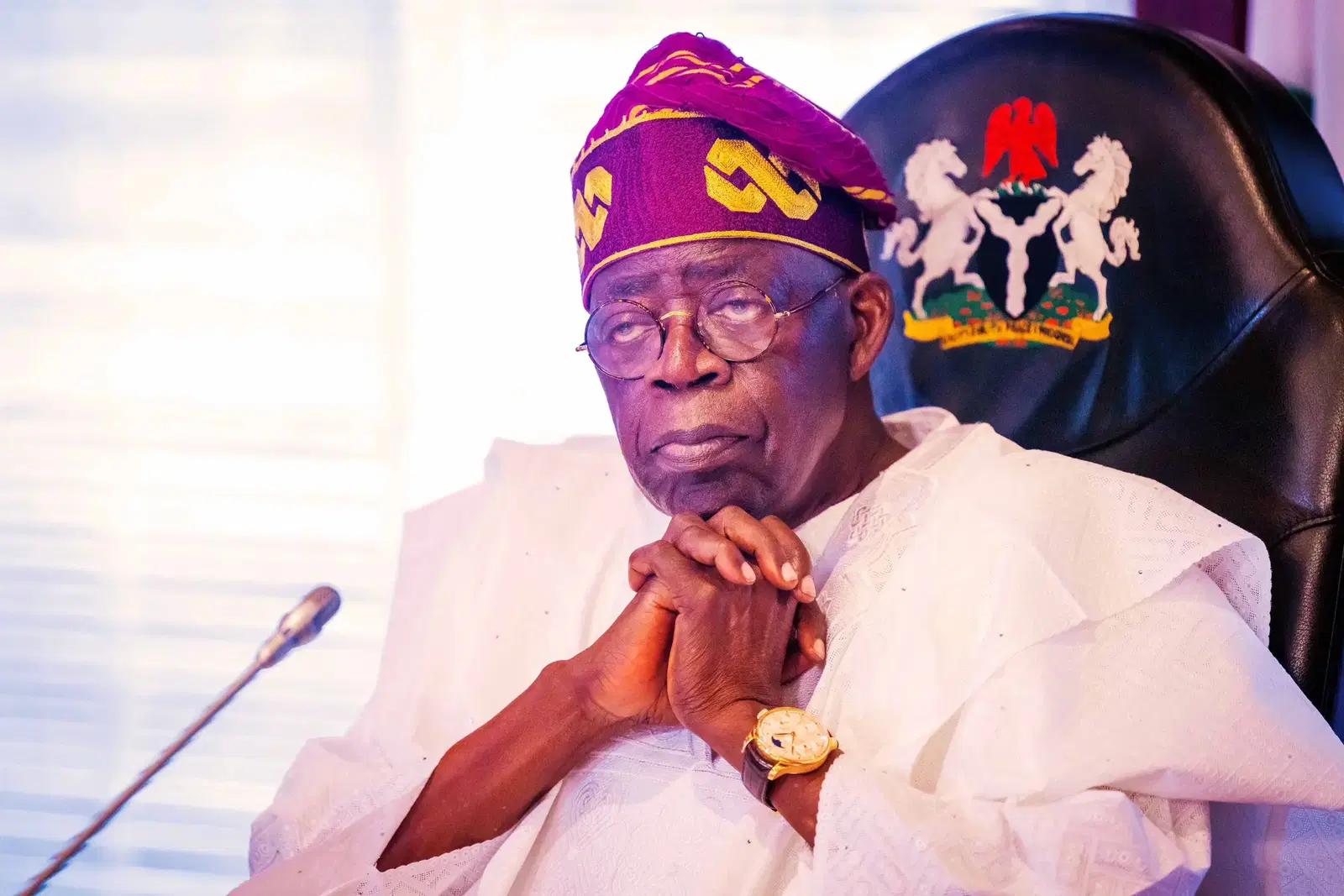
President Bola Tinubu has publicly expressed grief over a terrorist attack in Gwoza, a town in Nigeria's northeastern Borno State. The presidential statement offered condolences to those affected but did not provide specific details regarding the attack's timing, scale, or precise location within the area.
The Strategic Weight of Gwoza
Gwoza is not just another town in the conflict-ridden northeast. It holds profound historical significance in Nigeria's long war against Islamist insurgents. In 2014, the Boko Haram faction declared Gwoza the capital of a so-called Islamic caliphate, marking a chilling peak in the group's territorial ambition. Its position in the Mandara Mountains, near the border with Cameroon, has made it a persistent flashpoint and a challenging terrain for military operations over the past decade.
The Protocol of Presidential Condolences
The president's mourning statement represents the federal government's primary public response to this incident. Such official condolences are a standard protocol following major security events, intended to project national unity and federal-level concern. However, the absence of accompanying operational facts—such as casualty figures or perpetrator details—leaves a critical information gap for the public and analysts, underscoring the often-opaque nature of conflict reporting in the region.
The Persistent Security Reality
This latest attack underscores the severe and persistent security challenges in Borno State. Despite years of sustained military campaigns, the region remains vulnerable to assaults from factions of Boko Haram and the Islamic State West Africa Province (ISWAP). These groups continue to target civilians, military outposts, and infrastructure, fueling a protracted humanitarian crisis and widespread displacement.
The Local Response and Information Flow
In the immediate aftermath of such attacks, local government authorities in Gwoza and Borno State are typically the first responders. They coordinate emergency services, assess damage, and compile initial reports that later inform federal briefings. The lack of local detail in the presidential statement suggests this information is either still being gathered or is undergoing verification, a process crucial for accuracy but one that delays public understanding.
The event in Gwoza is a stark reminder that while official statements offer symbolic solidarity, the complex, on-ground reality of insurgency and counter-insurgency in Nigeria's northeast remains as urgent and difficult as ever.