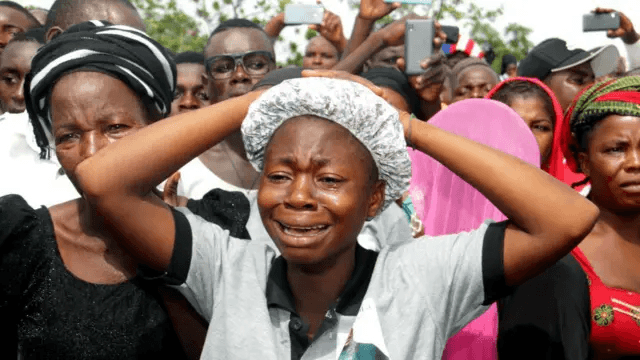
People here in Benue are tired of burying their neighbors. The talk at the market is always the same: when will the killings stop? That's why folks took notice when Dr. Abiodun Essiet, a senior aide to President Tinubu, showed up in the state on Wednesday. He's the man in charge of community engagement for our region, and he went straight to the offices of the people with the guns. He visited the State Director of the Department of State Services and the commander of Operation Whirl Stroke, the main military task force here. For families hiding in camps, this visit is a small sign that someone in Abuja might finally be listening.
Essiet's job is to talk, not just to fight. That's what the security chiefs seemed to welcome. Maj.-Gen. Moses Gara, who runs Operation Whirl Stroke, called the aide's visit a very strong pillar for non-kinetic engagement. In plain language, that means trying to solve this mess with dialogue and community work, not just bullets. It's a welcome idea for many who feel the military's presence hasn't brought lasting peace. But people are also asking: who will he talk to? The gunmen don't come to community meetings.
There has been some recent military movement, at least. The claims say a battalion was recently sent to Kwande, which boosted manpower in the troubled communities there. More soldiers on the ground might make people feel safer for a few days. But around here, we've seen this before. Troops arrive, things calm down, then they leave and the violence comes back worse. People want to know if this new push from the President's office will lead to a different plan, one that lets farmers return to their land for good.
While the focus was on Benue, the nation's senators were mourning soldiers killed far away in Borno State. Senator Mohammed Monguno stood up on Wednesday to talk about a coordinated attack by suspected insurgents in the early hours of March 9. They targeted troops in the Kukawa Local Government Area. The senator made a special point to lament the death of one officer, Lt. Col. Umar Farouq. His name is now added to a long list. It's a reminder that the pain of losing security personnel is felt from the northeast down to the middle belt.
The violence in Borno didn't stop with that one attack. On that same Wednesday morning, another community called Doro, also in Kukawa, was hit. Insurgents attacked there too, and another soldier lost his life. Hearing this news while an aide is talking peace in Benue makes folks wonder. It shows the security forces are stretched thin across the country. If they are taking heavy losses in Borno, can they really protect every village here? It's a question that keeps people awake at night.
Back in Benue, the visit from the President's man is just a first step. No one is celebrating yet. The real test will be what happens next week, and the week after. Will there be follow-up meetings with community leaders and farmers? Will there be a plan to address the root causes that everyone argues about? For now, people are watching and waiting. They've seen too many officials come and go with promises that blow away like dust.
This story isn't just about high-level meetings. It's about the woman who can't fetch firewood for fear of being attacked. It's about the children who haven't been to school in months. When security bigwigs talk about 'non-kinetic engagement,' folks here hope it means someone will finally ask them what they need. They need safety, yes, but also a chance to rebuild their burnt homes and plant their crops. A military solution alone has failed them.
The next move is unclear. Dr. Essiet has made his introductions. Operation Whirl Stroke has a new battalion in Kwande. The community's hope is that this combination of more force and new talk will lead to a change they can feel. People will be watching the roads into the villages, waiting to see if the gunmen stay away. They'll be listening for news of another meeting, one that includes their own voices. Until then, life remains on hold.


