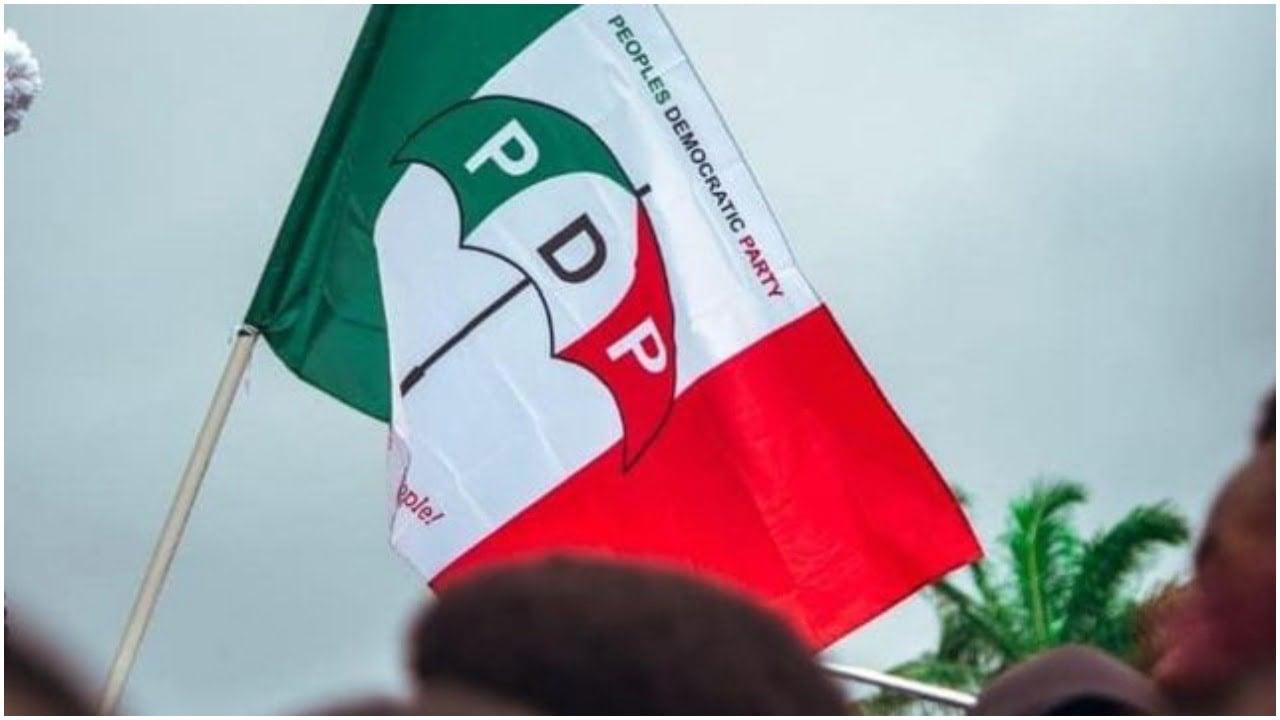
A significant development in Nigerian politics unfolded today as a faction of the Peoples Democratic Party (PDP) loyal to former Rivers State Governor Nyesom Wike announced it will hold its presidential primary election on May 23. This move represents more than internal party disagreement—it establishes a concrete timeline for a parallel electoral process that could fundamentally reshape Nigeria's opposition landscape.
From Internal Pressure to Parallel Structure
The pro-Wike faction's decision to set a primary date marks a critical escalation in the PDP's ongoing internal crisis. By fixing May 23 on the calendar, the group is transitioning from being a vocal pressure bloc within the party to operating what amounts to a separate political apparatus. Presidential primaries involve comprehensive logistics including delegate selection, campaign regulation, and fundraising mechanisms—all of which this faction now appears to be developing independently.
The Significance of May 23
In any election cycle, setting a primary date is among the most definitive steps a political organization can take. It commits resources, focuses member attention, and creates irreversible momentum. For this faction to establish its own timeline suggests members no longer view reconciliation through existing party channels as viable. The May 23 date now creates a concrete deadline for both the faction's internal processes and any potential mediation efforts from the PDP's national leadership.
Historical Context and Implications
Nyesom Wike remains one of Nigeria's most influential political figures even after completing his tenure as Rivers State governor. His supporters within the PDP have grown increasingly vocal about disagreements with the party's national leadership regarding strategy, candidate selection, and internal democracy. Today's announcement elevates those disagreements from theoretical debate to operational reality.
What Comes Next
The broader PDP now faces a critical decision: attempt to broker a truce that brings the faction back into the fold, or accept what may become a formal split in Nigeria's main opposition force. With general elections approaching, opposition unity becomes increasingly vital. The coming days will reveal whether party leaders can bridge this divide or whether May 23 will mark the beginning of a permanent political divergence.