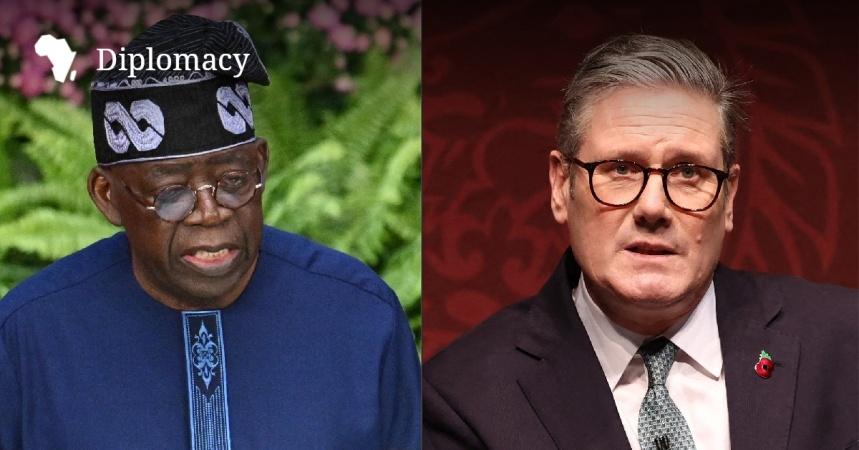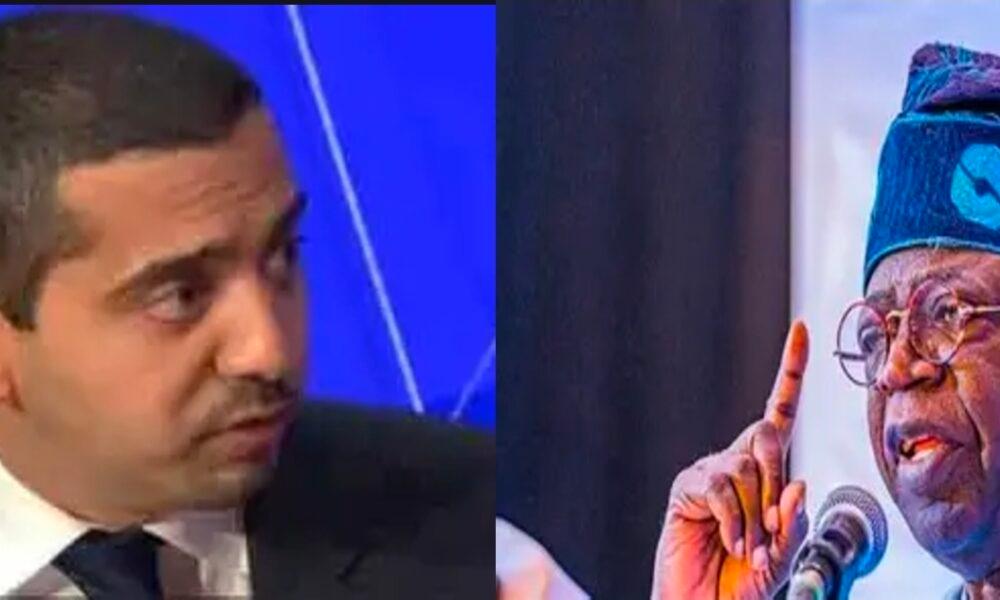
In a move that reframes political accountability for the interconnected world, Professor John Egbeazien Oshodi has issued a direct public challenge to Nigerian President Bola Tinubu. Oshodi is calling for the president to participate in a moderated debate with internationally renowned journalist Mehdi Hasan.
The 'Global Village Square' Test
Oshodi, articulating his challenge in a piece titled 'Head to Head,' positions this proposed forum not as a standard political debate but as a necessary public reckoning. He invokes the concept of the 'Global Village Square'—a digital public sphere where national leaders are subject to observation and questioning from a worldwide audience. The argument suggests that traditional, local political communication is insufficient when governance impacts and is observed by a global community.
Why Mehdi Hasan?
The choice of moderator is deliberate and significant. By naming Mehdi Hasan, Oshodi selects a journalist famed for his incisive, preparation-heavy, and direct style of questioning. Hasan's international profile and lack of affiliation with Nigerian political factions represent a specific type of scrutiny: rigorous, unscripted, and transcending local media dynamics and loyalties. It signals a desire for an exchange judged by the standards of global civic discourse.
Unprecedented in Nigerian Politics
This challenge arrives during a period of intense global scrutiny on public trust in institutions. A presidential debate of this nature—internationally moderated, framed for a global digital audience—would be unprecedented for a sitting Nigerian president. It would place Tinubu's policies and record under a unique spotlight, with questions posed from a perspective detached from domestic political theater.
Feasibility and Implications
The professor's gambit immediately raises practical questions. The protocols, security considerations, and political precedent for a sitting president engaging in such a formally structured, externally moderated debate are formidable barriers. However, the very act of issuing the challenge is impactful. It catalyzes a public conversation about the level of transparency and direct accountability citizens can demand from their leaders in the 21st century, where the 'village square' is now planetary in scale.