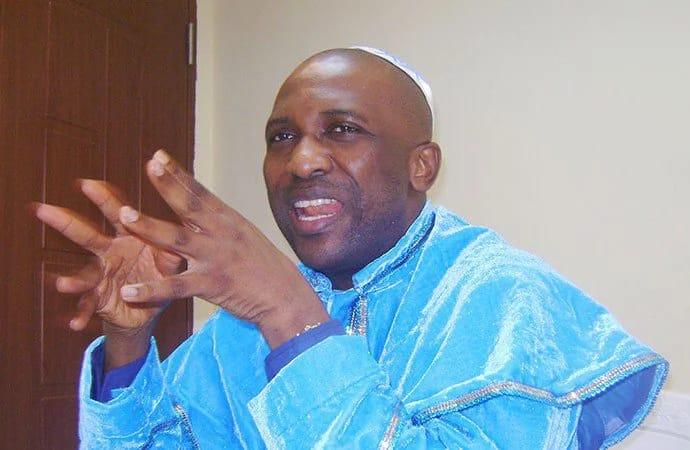
In a move that blends spiritual conviction with public commemoration, popular Nigerian prophet Ayodele has announced plans to construct a mosque, stating he received a direct divine instruction to honor the late mother of President Bola Tinubu, Alhaja Abibatu Mogaji.
The Spiritual Mandate
Prophet Ayodele frames the project not as a political gesture but as a fulfillment of a spiritual mandate. The mosque is intended to serve as a lasting tribute to Alhaja Abibatu Mogaji, who passed away in 2013. Known as the Iyaloja General of Nigeria, she was a revered Muslim leader and influential businesswoman, making a mosque a fitting monument aligned with her faith and lifelong community service.
Context and Conversation
This announcement does not exist in a vacuum. When a religious figure undertakes a high-profile dedication to the family of a sitting president, it inevitably sparks public discourse. Perspectives range from viewing it as a genuine act of faith and respect to analyzing it through the lens of political alignment or the cultivation of soft influence. It exemplifies the complex, often intertwined, relationship between spirituality and public life in Nigeria.
The Ripple Effects
Beyond the spiritual rationale, the project carries significant implications. For the Tinubu family, it represents a unique and enduring honor. For Prophet Ayodele, overseeing such a prominent legacy project elevates his ministry's public profile, associating it with a narrative of national significance. This occurs against the backdrop of President Tinubu's administration grappling with economic and security challenges, offering a contrasting narrative focused on heritage and reverence.
A Lasting Legacy
The reported commencement of construction turns the prophecy into tangible reality. The mosque will stand as a physical testament, permanently intertwining the legacies of a prominent prophet, a celebrated matriarch, and the political dynasty she belongs to. This story ultimately prompts reflection on how faith, memory, and power are architecturally and symbolically built in the public sphere.


