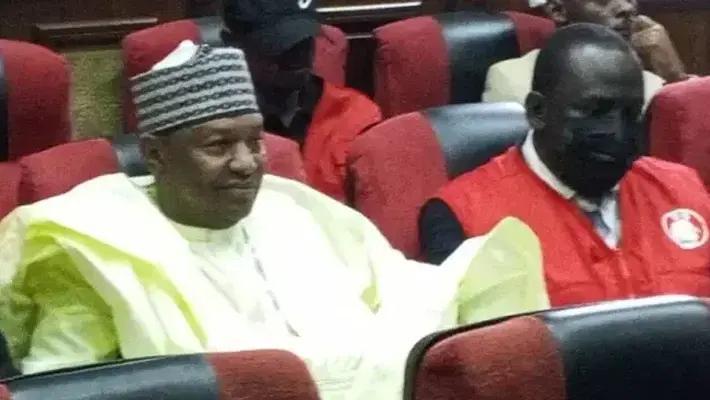
The high-profile terror financing trial of former Attorney General and Minister of Justice Abubakar Malami has been abruptly adjourned following a decisive move by the federal government: a last-minute swap of the lead prosecutor. This development injects uncertainty into one of Nigeria's most significant legal proceedings involving a former cabinet member.
The Charges and the Accused
Abubakar Malami served as Nigeria's chief law officer from 2015 to 2023, overseeing the nation's justice system and prosecution authorities. The allegations against him, which he has consistently denied, involve the serious crime of providing financial support to terrorist organizations. A conviction under Nigeria's terror financing laws carries severe penalties, marking this as a pivotal test of the legal system's ability to hold former top officials accountable.
Why the Prosecutor Change Causes Delay
At the heart of the stall is the practical reality of changing a key legal figure mid-trial. The prosecutor acts as the state's representative, responsible for presenting evidence and arguing the case. Introducing a new lead counsel necessitates a comprehensive review of the entire case file—including volumes of evidence, witness statements, and pre-established legal strategies. This process is not merely administrative; it is foundational to ensuring a fair and effective prosecution.
An apt analogy is a sports team changing its head coach right before a critical playoff game. The new coach must assess the players, understand the existing game plan, and analyze the opponent before feeling prepared to compete. Similarly, the new prosecution team must attain mastery over the case's complexities before the court can proceed with hearings or the taking of evidence.
Implications and Next Steps
This delay does more than pause the calendar; it raises broader questions about the case's trajectory and the government's commitment to seeing it through. Observers and legal analysts are now watching closely for the new prosecution team to formally notify the court of their readiness to proceed. This interim period will be critical in assessing whether the case maintains its momentum or suffers from strategic disruption.
The coming weeks will reveal how quickly the new prosecutor can get up to speed and what, if any, impact this change has on the prosecution's strategy. The outcome will serve as a barometer for Nigeria's legal system in managing complex, politically sensitive cases against former high-ranking officials.