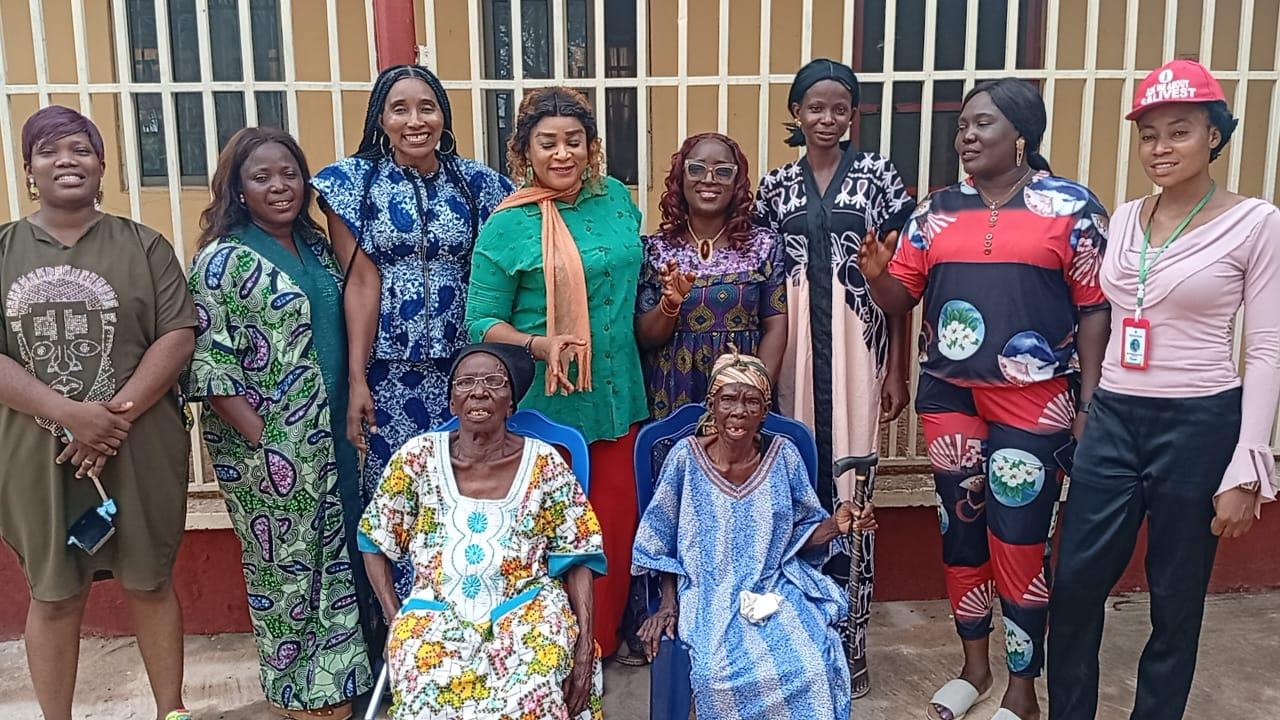
In the bustling Oshodi area of Lagos, a charitable foundation has organized a Ramadan food distribution event, providing essential supplies to families observing the holy month's fast. The initiative, which took place at a designated community location, aimed to alleviate the economic strain that daily fasting from dawn to sunset can place on household budgets.
Organizers coordinated the direct handover of food packages to residents, ensuring aid reached those in need. This effort represents a private-sector response to rising living costs in urban centers like Lagos, where many face significant economic pressure.
The action is firmly rooted in Islamic tradition, particularly the pillar of Zakat (almsgiving), which is emphasized during Ramadan. Providing food for Iftar—the meal that breaks the fast—is considered a highly meritorious act. Such community-led initiatives often supplement government social programs, especially in densely populated, economically diverse neighborhoods like Oshodi.
Alongside the humanitarian effort, the foundation issued a public call for support for President Bola Tinubu's administration. This political endorsement was made explicitly during the charitable event, linking the provision of aid with a message of political solidarity. The call frames support for the national government as complementary to local charitable work, suggesting an alignment between community welfare and the administration's broader objectives.
This dual-nature event—merging social service with political messaging—reflects a common pattern in Nigerian civic and political life. Organizations frequently blend direct aid with advocacy or endorsement, creating a complex interplay between immediate community support and longer-term political positioning.