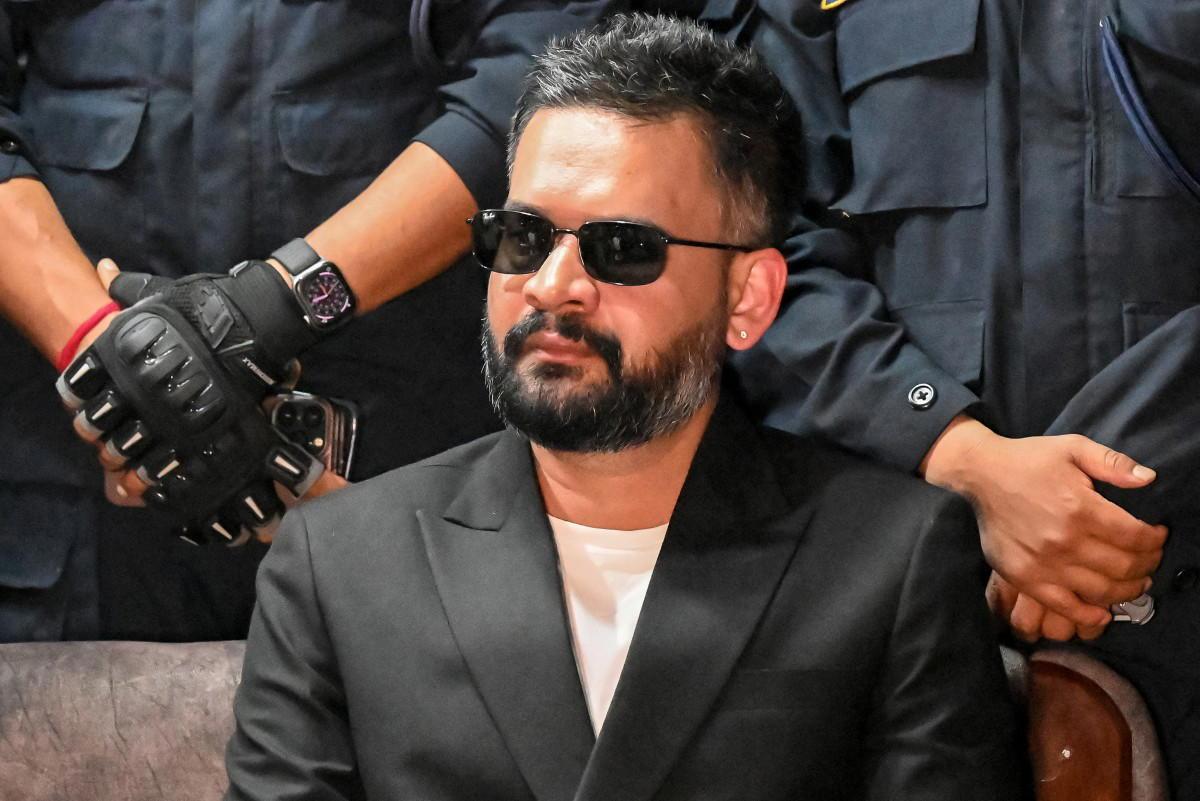
Nepal's political landscape is undergoing a seismic transformation. Shah, a 35-year-old public figure known primarily as a rapper and musician, is on the verge of being appointed the country's youngest-ever prime minister. This move places a cultural icon with no experience in elected office at the helm of the state, bypassing conventional political career paths in a single, stunning stroke.
From Studio to Statehouse: An Unprecedented Ascent
Shah's background is rooted in music, not the corridors of government. His imminent ascent to the premiership represents a journey from the recording studio to the highest seat of power—a modern precedent that simply does not exist in Nepal's political history. His identity as an outsider and artist forms the core of this disruptive moment.
A Challenge to the Old Guard
At 35, Shah would set a new record for the nation's top office, underscoring a deliberate and sharp generational change. This appointment is a direct challenge to the established political dynasties and older figures who have dominated Nepal's politics since the end of the monarchy. It signals a potential break from the protracted infighting and perceived failures of the traditional party system.
The Politics of a 'Blank Slate'
Shah's candidacy emerged from complex coalition negotiations within Nepal's fragmented parliament. With major blocs locked in a prolonged deadlock, his lack of a lengthy political record made him an acceptable compromise—a "blank slate" upon which various factions could project their ambitions without immediate threat from a seasoned rival.
Divided Reactions and an Uncertain Future
Public reaction is expected to be intensely passionate and divided. Supporters are likely to hail the move as a revolutionary fresh start and a direct voice for the youth, while critics will question the gamble of entrusting national governance to a political novice. All eyes will now be on Shah's ability to form a stable government and navigate the immense challenges ahead.


