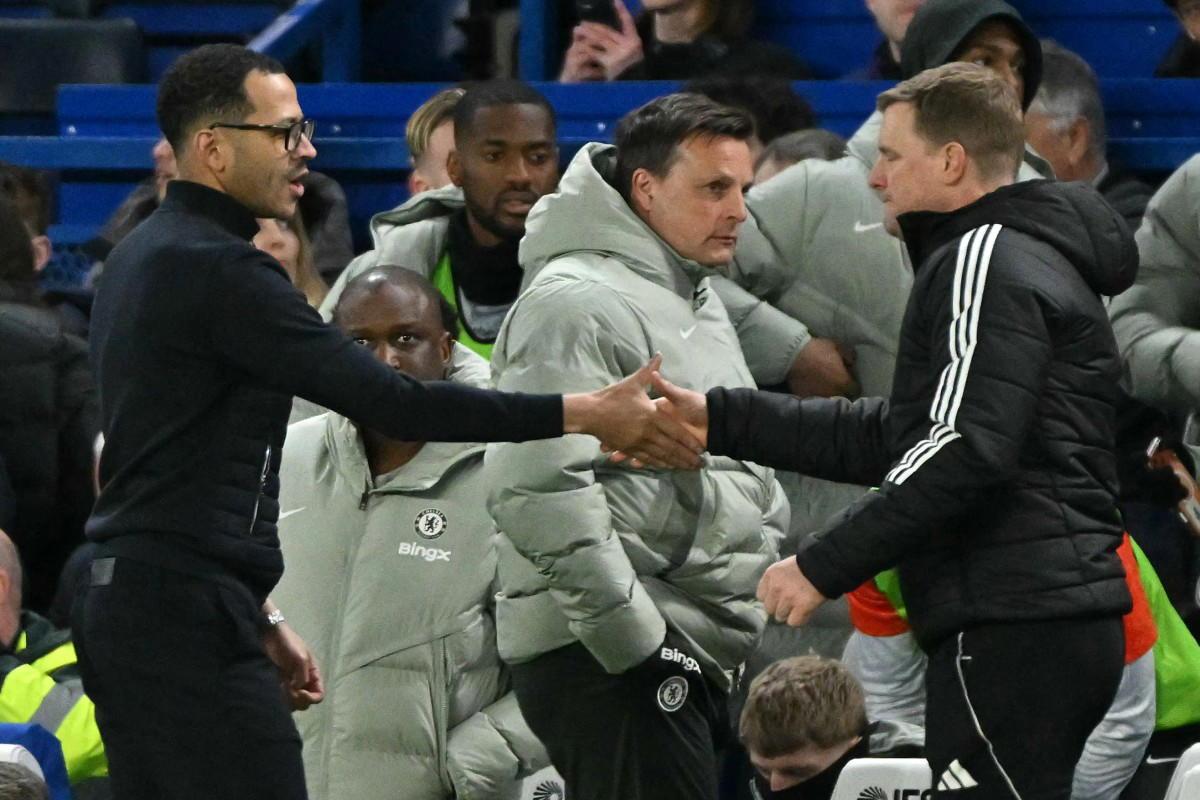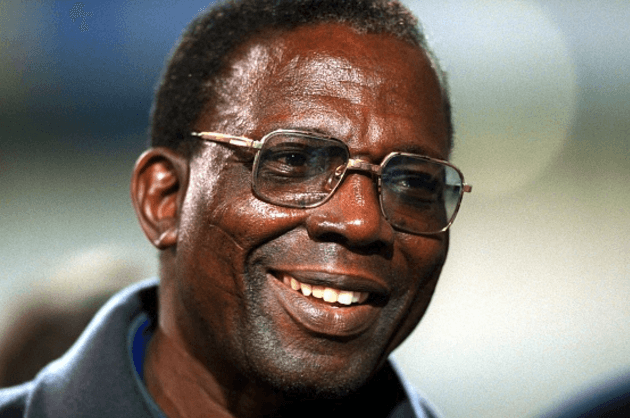
The news traveled through the familiar channels—barbershops, viewing centers, and group chats—carrying a weight that transcended sports. Coach Festus Onigbinde, the man who embodied the possibility of Nigerian football, has died. For millions, his name is not just a chapter in a record book; it is the foundation upon which local coaching pride was built.
The Pioneer's Path
Long before foreign certifications became commonplace, Onigbinde invested in his craft at the highest level. In 1976, he earned a prestigious German Grade A coaching licence. Not content, he traveled to Brazil in 1981 for further training, absorbing the samba football philosophy and bringing it back to Nigeria. This dedication earned him the ultimate trust: appointment as head coach of the Super Eagles in 1982.
Building Belief
His impact was immediate and profound. In 1984, he led Nigeria to the final of the Africa Cup of Nations, finishing as runners-up to Cameroon. That campaign instilled a new belief in the national team's potential under local guidance. The same year, he showcased his tactical prowess at the club level, guiding Shooting Stars Sports Club to the final of the African Cup of Champions Clubs (now the CAF Champions League), narrowly losing to Egypt's Zamalek.
The Crowning Achievement
While Nigeria had been to the World Cup before, 2002 was different. Under Onigbinde's leadership, the Super Eagles qualified for the FIFA World Cup with a Nigerian at the helm for the first time. This achievement was more than a sporting milestone; it was a powerful statement of local capability and self-reliance. His career extended beyond the touchline, with continued service in technical roles at the Nigeria Football Federation, including as Technical Director.
A Legacy That Endures
The Ooni of Ife described his passing as a painful loss, echoing the sentiment of a nation. Onigbinde's legacy is not merely in matches won, but in the path he cleared. He proved that Nigerian coaches, armed with knowledge and determination, could compete on the world's biggest stages. As the football community mourns, it also celebrates the indomitable spirit of a pioneer whose work forever changed the game's landscape at home.