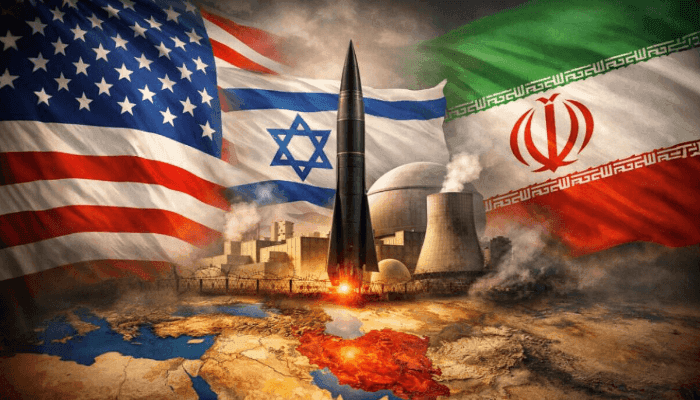
A new report has detailed the significant costs of recent U.S. military involvement related to Iran, quantifying both the financial and human toll. At the same time, a separate global trend is making itself felt in household budgets: rising airfares. While these developments may seem unrelated, together they illustrate layers of economic pressure affecting nations and individuals.
The Military Cost: $5.6 Billion and 140 Wounded Troops
The report states the United States has spent $5.6 billion on war costs connected to Iran-related operations. This figure represents direct expenditures for items such as fuel, ammunition, equipment maintenance, and personnel expenses. Alongside the financial cost, 140 American troops have been wounded. These numbers provide a concrete, though not time-specific, snapshot of the scale of engagement during a period of heightened tensions in the Middle East. The human toll, in particular, brings the conflict's impact into sharp focus for military families and the public.
The Consumer Reality: Rising Global Airfares
Separately, travelers worldwide are confronting higher ticket prices. This is not an isolated trend but a broad increase driven by multiple factors: rising fuel costs, pent-up travel demand following pandemic restrictions, and operational challenges within the airline industry. For consumers, this means increased expenses for vacations, business trips, and family visits, applying a direct squeeze on personal finances.
Connecting the Dots: Economic Pressure at Two Levels
The link between these stories lies in the broader economic landscape. Significant government expenditures, such as multi-billion dollar military operations, influence national budgets and policy priorities. Concurrently, rising costs for essential services like air travel strain household budgets. This dual pressure—macro-level spending and micro-level consumer costs—paints a picture of financial strain from different angles.
Looking Ahead
Understanding these costs requires context. U.S.-Iran relations have been strained for decades, with military engagements often involving complex operations. The new report adds specific numbers to that ongoing story. Meanwhile, the airline industry continues to navigate a post-pandemic world. Analysts will monitor whether sustained military spending affects federal budget allocations in other areas, and whether airfare trends stabilize. For now, both stories underscore the tangible impacts of geopolitical and economic forces.