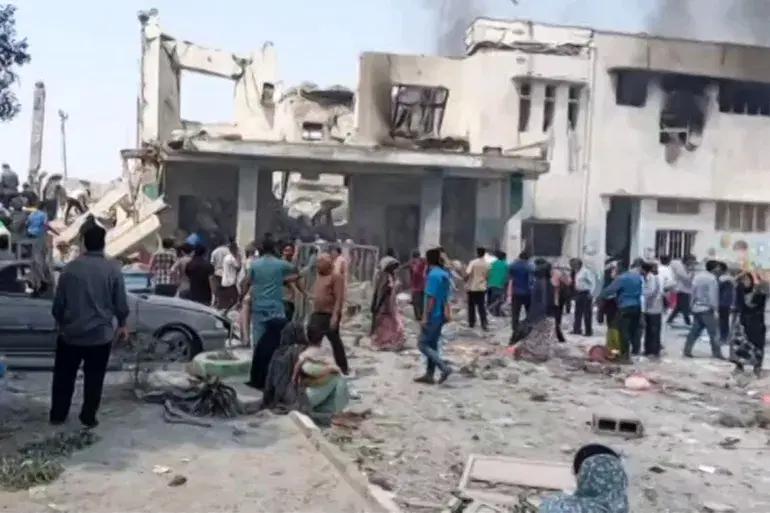
A newly released report has concluded that a US missile strike which hit a school in Iran was the result of a mistake. The findings, detailed in a document made public this week, directly attribute the deadly incident to an operational error. This admission places the event within a pattern of military actions where faulty intelligence or procedural failures have led to civilian harm.
While the report does not specify the exact date of the strike, its release on March 10, 2026, provides a current focal point for long-standing grievances. The attack reportedly caused significant damage to the educational facility, though casualty figures are not detailed in the available summary. The location of the school within Iran remains unspecified, leaving open questions about the broader context of US military activity in the region at the time.
The core finding of the report is unambiguous: the strike was not a deliberate targeting of the school but a mistake. This classification is critical for understanding the chain of command and potential legal ramifications. It suggests a failure in the targeting process, whether in identification, verification, or execution, that resulted in a civilian structure being struck instead of a legitimate military objective.
Such incidents are governed by strict rules of engagement and international humanitarian law, which require distinction between military targets and civilian objects. A mistaken strike on a school represents a severe breach of these fundamental principles. The report's conclusion implicitly acknowledges that US forces failed to take all feasible precautions to avoid civilian harm, a cornerstone of the laws of war.
The release of this report comes amid ongoing, broader debates about transparency and accountability for civilian casualties in US military operations. Past administrations have faced criticism for opaque reporting and a perceived lack of consequences for fatal errors. This document adds a specific, grave case to that ledger, providing concrete evidence of systemic vulnerabilities in operational planning.
For Iran, the report confirms long-held accusations of wrongful US aggression on its soil. Iranian officials have consistently denounced US military actions in the region as violations of sovereignty. This admission of a mistake, while not conceding illegality, provides Tehran with a documented instance to bolster its diplomatic and rhetorical campaigns against American presence and policy in the Middle East.
The immediate next steps following the report's publication are not detailed in the available information. Typically, such findings would trigger internal military reviews, potential disciplinary actions, and revisions to operational protocols to prevent recurrence. Whether the report includes recommendations for such measures or identifies responsible individuals remains unclear from the summary title alone.
The fundamental question left unanswered is what specific mistake occurred. The error could range from faulty intelligence misidentifying the building, a technical malfunction in the missile's guidance system, or a human error in authorizing the strike. Until the full report is disclosed or officials provide further details, the precise cause of this tragic incident will remain a subject of speculation and demand for greater transparency.