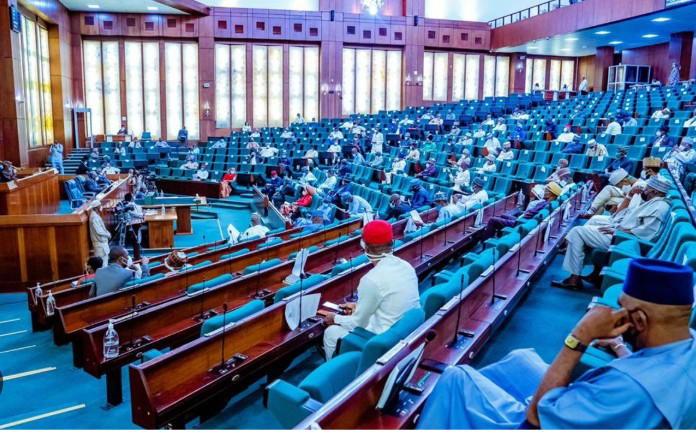
The House of Representatives Ad-hoc Committee investigating pre-shipment inspection of exports and alleged non-remittance of crude oil proceeds has expressed dissatisfaction with submissions made by key government agencies. This development signals a significant hurdle in the parliamentary inquiry, which is tasked with uncovering potential revenue leakages in Nigeria's vital export sector. The committee's frustration underscores the complexity of tracing export proceeds and ensuring all due revenues reach government coffers.
Chairman of the Committee, Hon. Seyi Sowunmi, gave the directive on Wednesday at a resumed investigative hearing, asking the Nigeria Customs Service (NCS), Nigerian Ports Authority (NPA), Central Bank of Nigeria (CBN), and the Nigerian Association of Chambers of Commerce, Industry, Mines and Agriculture (NACCIMA) to resubmit all previously requested documents. The order was issued directly during the public hearing, placing the agencies on notice to comply with the legislature's demands. This move indicates the committee is taking a firm stance to obtain the information it deems necessary for a thorough investigation.
The Committee said the materials presented were not up to date. This specific criticism suggests the provided data may be outdated or incomplete, potentially hindering the probe's ability to paint an accurate picture of current export and revenue remittance practices. The demand for fresh, current documents is central to establishing a factual baseline for the investigation's findings and subsequent recommendations.
Representing the Comptroller-General of Customs, Bashir Adeniyi, Deputy Comptroller-General Caroline Diagwan explained that the Service verifies export documentation, including the Nigeria Export Proceed (NXP) form, certificate of inspection, and export permits, ensuring they tally with goods presented at the point of export. This testimony outlines the procedural role of Customs in the export chain, focusing on documentation checks rather than financial collection. It clarifies that Customs' primary function at the port is to confirm that paperwork matches physical cargo.
She clarified that Customs does not collect export duties in the context of crude exports and does not determine revenue paid to the government. This statement is a crucial delineation of responsibilities, indicating that the Nigeria Customs Service is not directly involved in the fiscal aspect of crude oil shipments. This points the investigative focus toward other agencies and mechanisms responsible for collecting and remitting the proceeds from the sale of the nation's crude oil.
On its part, the CBN, represented by Director Dr. Musa Nakurji on behalf of Governor Yemi Cardoso, said its role under the 1992 Pre-Shipment Inspection Act is administrative and system-based. This testimony frames the Central Bank's involvement as one of oversight and system management rather than direct operational control over inspection activities. The reference to the 1992 Pre-Shipment Inspection Act roots the current probe in a long-standing legal framework designed to govern export processes.
The committee's rejection of the submissions and its demand for new documents from these major institutions creates a standoff that could delay the investigation's timeline. It raises questions about inter-agency coordination and record-keeping within Nigeria's export administration system. For the public, this development highlights the challenges lawmakers face in holding powerful economic bodies accountable.
The outcome of this probe is significant for Nigeria's economy, as it touches directly on the transparency and efficiency of crude oil export revenue collection. Any findings of non-remittance could have major implications for national budgeting and foreign exchange earnings. The committee's next steps will be closely watched to see if the agencies comply with the fresh document request and how the investigation progresses toward uncovering the truth about export proceeds.