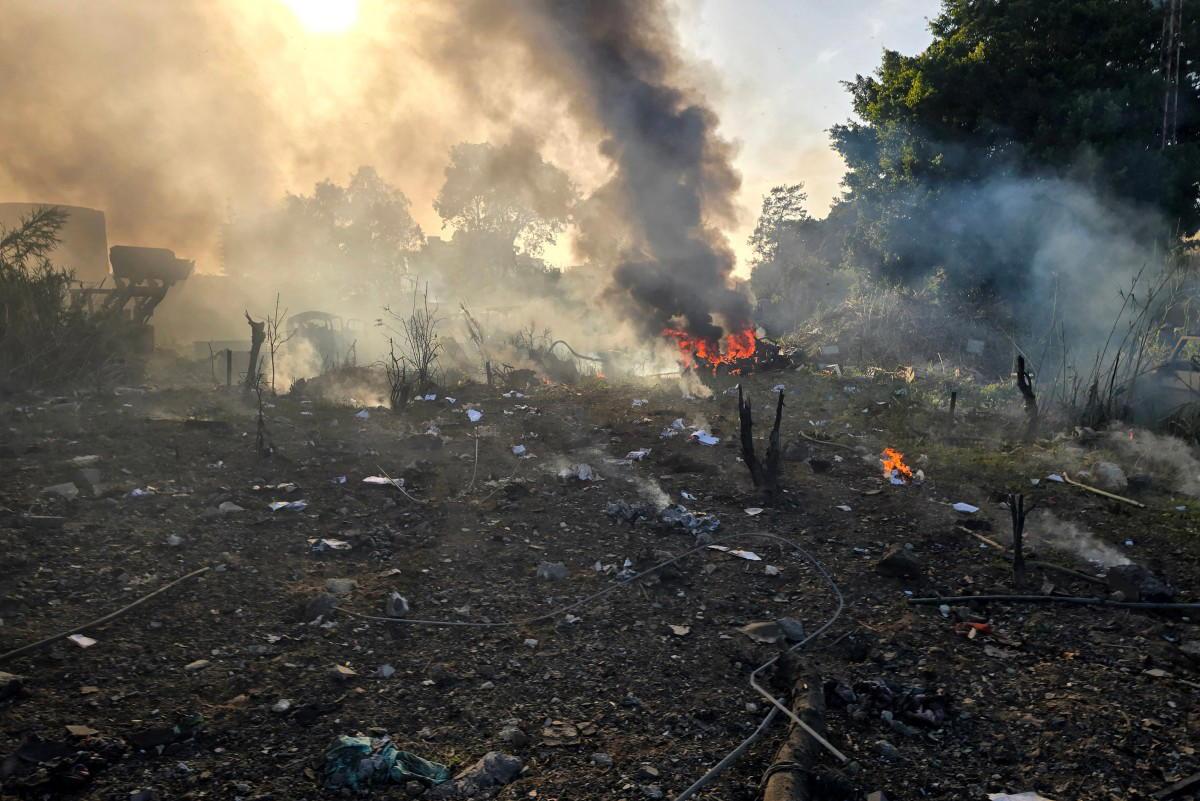
Iraqi authorities have confirmed a rocket attack on the Baghdad International Airport complex, immediately elevating security alerts across the capital region. The strike targets a facility that serves a dual purpose: a critical node for civilian air travel and a host for sensitive diplomatic operations.
More Than Just an Airport
Baghdad International Airport is a significant geopolitical landmark. Its perimeter houses support facilities for multiple foreign diplomatic missions, including those associated with the United States embassy. An attack on this location therefore carries amplified symbolic weight, representing a direct challenge to both Iraqi state authority and the international presence within the country.
Methodology and Immediate Impact
The initial report did not specify the number of projectiles or their precise launch point. However, the use of indirect rocket fire points to tactics commonly employed by militia groups in Iraq. Such attacks often utilize improvised launchers that allow for a quick strike and withdrawal, complicating efforts to intercept the attack or swiftly attribute responsibility.
The immediate operational consequences are significant. The attack likely triggered temporary flight suspensions and heightened security cordons, disrupting passenger travel and cargo logistics. For a nation working to stabilize its economy and attract foreign investment, even a brief closure of its primary international gateway inflicts tangible financial costs and damages confidence in security protocols.
A Recurring Pattern in a Volatile Landscape
This incident fits a historical pattern of periodic attacks targeting the airport and the adjacent high-security diplomatic zone, known as the Green Zone. However, each successful strike forces a recalibration of risk assessments for airlines, embassies, and commercial entities operating in Baghdad. The frequency and impact of such attacks serve as a real-time barometer of the government's ability to control its territory and protect critical infrastructure.
In the wake of the attack, focus will shift to the official investigation, any claims of responsibility, and the Iraqi security forces' response—a response that will be closely watched by both domestic and international observers.


