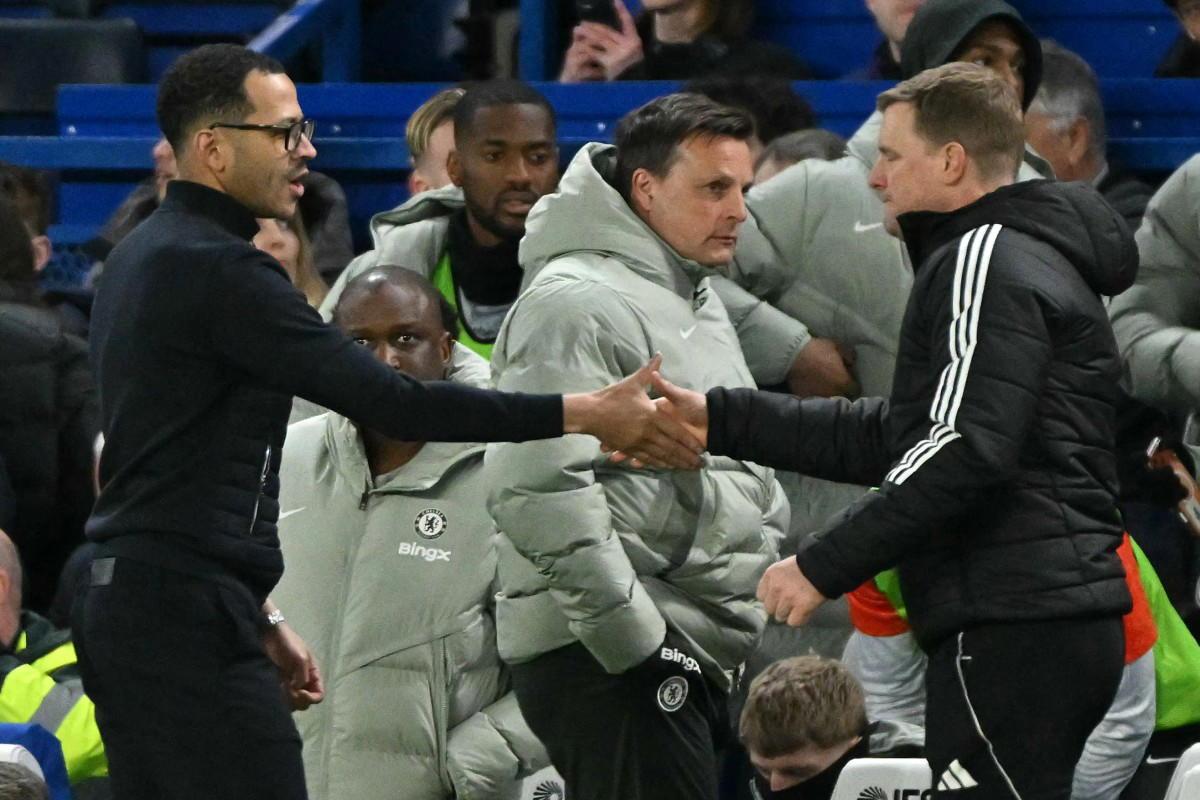
<h2>The Incident That Stopped the Game</h2><p>The tension at Stamford Bridge after the final whistle wasn't just about the result. For the visiting team and their supporters, a profound sense of injustice stemmed from a pivotal, and bizarre, moment in the second half. With the game in a delicate balance, play was halted not for a clear foul, offside, or injury, but for an extended conference between the match officials.</p><h2>Rosenior's Uncharacteristic Outburst</h2><p>Manager Liam Rosenior, typically measured in his post-match assessments, did not mince words. "I'm unhappy with the referee," he stated bluntly, a sentiment that echoed the frustration in the stands. His anger highlighted a feeling beyond a simple bad call; it was about the disruption of the game's fundamental rhythm. "In a match where every second of pressure counts against a giant like Chelsea, that pause felt like a lifetime," one fan noted, capturing the tactical impact of the stoppage.</p><h2>More Than Three Points: A Erosion of Trust</h2><p>This incident taps into a deeper narrative in football: the perceived imbalance between 'big' and 'small' clubs. The traveling fans, who invest significant time and money, were left discussing a refereeing huddle instead of football. When the officials become the central talking point, it chips away at the sport's integrity. This wasn't a marginal offside detected by VAR; it was an opaque process that left players, coaches, and fans alike in the dark.</p><h2>The Lasting Fallout</h2><p>The fallout from 'The Stamford Bridge Huddle' extends beyond one match. It raises questions about communication and transparency from officiating teams. Rosenior's public criticism ensures the incident will be scrutinized by the PGMOL (Professional Game Match Officials Limited). For supporters, it's another data point in the ongoing debate about consistency and fairness, a reminder that the emotional investment in the game is sometimes vulnerable to moments nobody can adequately explain.</p>
Rosenior's Fury: How a Bizarre Refereeing Huddle Marred Chelsea Defeat
A bizarre refereeing moment has left the local manager and fans feeling robbed of a fair chance.