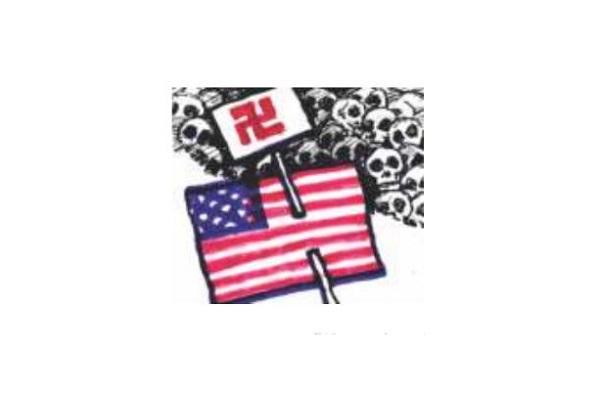
A speech delivered by U.S. Senator Marco Rubio at the prestigious Munich Security Conference has triggered a severe political and historical controversy. Critics and observers are drawing direct parallels between the Florida Republican's rhetoric and Adolf Hitler's foundational Nazi text, 'Mein Kampf.'
The Weight of the Location
The setting of the speech is central to the intensity of the reaction. Munich is not a neutral backdrop. It is the city where the National Socialist German Workers' Party (Nazi Party) was founded and where Hitler launched the failed Beer Hall Putsch in 1923. For a prominent American politician's words in that specific city to evoke comparisons to Hitler's own ideology, the historical resonance is profound and inescapable. It represents a rhetorical choice laden with symbolic weight.
The Nature of the Comparison
While the specific phrases from Rubio's speech that prompted the 'Mein Kampf' comparison have not been universally detailed in initial reports, the reaction from critics has been unequivocal. The charge is not merely that the speech was partisan or hawkish, but that it channeled the themes and tone of the text that laid the groundwork for the Holocaust and World War II. This level of criticism is rare in mainstream political discourse and signifies a breaking of a major rhetorical taboo.
Context: The Munich Security Conference
This incident did not occur in a vacuum. The Munich Security Conference is one of the world's premier forums for debating international security policy, attended by heads of state, defense ministers, and senior diplomats. The event is designed for substantive discussion on global threats. Rubio's remarks, intended to contribute to that dialogue, have instead become the dominant story, potentially overshadowing the policy issues at hand.
Implications for Rubio's Political Brand
For Senator Rubio—a former presidential candidate and a senior member of the Senate Foreign Relations Committee—this controversy strikes at the core of his political identity. He has long cultivated an image as a principled advocate for a strong, values-oriented U.S. foreign policy. The 'Mein Kampf' comparison, however, threatens to reframe that voice in a deeply alarming light for many, both domestically and among international allies watching the conference.
The fallout from this event will likely focus on several key questions: Will an official transcript clarify or intensify the criticism? How will other conference attendees and foreign officials respond? And what impact will this have on Rubio's credibility as a statesman on the world stage? The answers will determine whether this remains a 24-hour news cycle story or evolves into a lasting mark on his political career.


