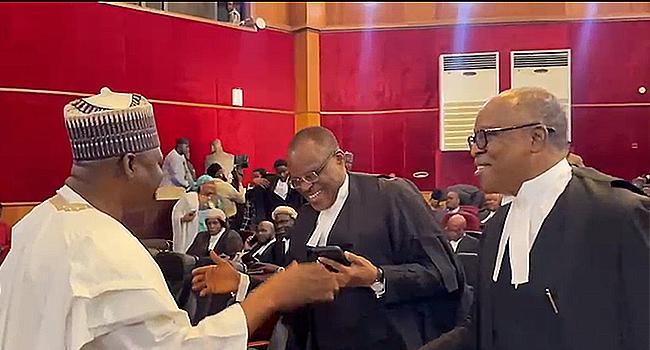
A significant legal ruling has plunged Nigeria's main opposition party, the Peoples Democratic Party (PDP), into a leadership vacuum. On Monday, the Court of Appeal upheld earlier decisions that nullified the party's national convention held in Ibadan in November 2025. This judgment leaves the PDP without a legally recognized National Working Committee, casting serious doubt on its organizational capacity ahead of future electoral contests.
A Call for Pragmatism Over Litigation
Reacting to the development, former Senate President Bukola Saraki issued a stark public appeal for a change in strategy. In a statement signed by his media aide, Yusuph Olaniyonu, Saraki framed the ongoing court battles as a costly distraction. "My own position is that the Court of Appeal has ruled," Saraki stated, urging all party leaders and stakeholders to work towards resolving the outstanding litigations out of court.
His central argument was one of urgent pragmatism. Saraki emphasized that the party must now channel its energy into organizing a fresh, credible convention conducted in strict compliance with electoral laws and party guidelines.
The Ticking Electoral Clock
The core of Saraki's urgency stems from the electoral calendar set by the Independent National Electoral Commission (INEC). "However, with the revised timetable by INEC, it is obvious that there is no time to wait for the Supreme Court decision," he noted. This highlights the PDP's strategic dilemma: pursuing a final appeal to the Supreme Court could consume precious months, potentially leaving the party structurally disorganized while its rivals consolidate their positions and campaigns.
Roots of the Crisis
The disputed Ibadan convention was mired in internal disagreements from its inception, with factions contesting the legitimacy of the delegate list and election procedures. These internal fractures ultimately migrated to the courtroom, resulting in the rulings that have now paralyzed the party's highest decision-making body.
The Path Forward
Saraki's intervention signals a growing concern within the party about the cost of internal warfare. The call for a new convention is a direct plea to prioritize electoral preparedness and unity over legal victory. Whether the PDP's various factions will heed this call and swiftly organize a legitimate convention remains the critical question that will determine its viability as a strong opposition force in the coming political season.


