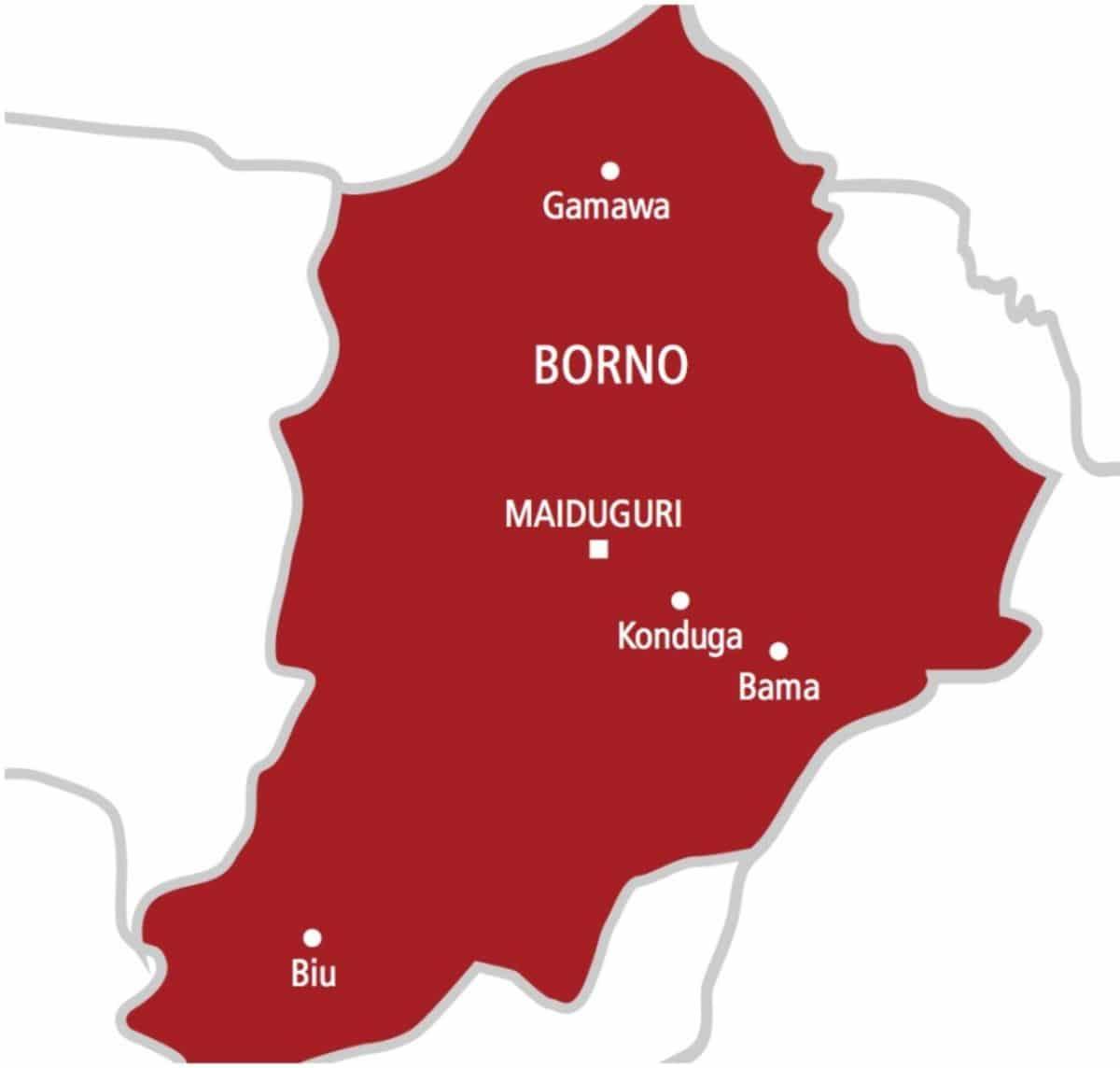
The pre-dawn quiet over Baga was shattered by the crackle of gunfire and the thunder of explosions. Residents, long accustomed to the rhythms of conflict in northeastern Nigeria, huddled in their homes as a fierce battle erupted on the outskirts of their town. This time, however, the tide of violence broke against a determined defense.
Scores of terrorists were eliminated in the failed attack on the Baga community of Borno. The assault, which appears to have been a significant coordinated effort, was met with a robust response from Nigerian security forces stationed in the area. The engagement prevented the attackers from breaching the town's defenses and reaching civilian populations.
Baga, a community situated on the shores of Lake Chad, has been a repeated flashpoint in the long-running insurgency. Its strategic location and history make it a frequent target for militant groups operating in the region. The successful repulsion of this latest attack represents a critical victory for local security and for the residents who call the area home.
The term 'eliminated' signifies a decisive military outcome, indicating the attackers suffered severe casualties and their operational plan was completely thwarted. This outcome disrupts the planning cycles of militant groups and can provide a temporary respite for communities living under constant threat. It also serves as a morale boost for defense forces engaged in a protracted and difficult campaign.
While the immediate threat to Baga has been neutralized, the attack underscores the persistent volatility in Borno State. The ability of a large terrorist force to mobilize and launch an assault on a key community highlights the ongoing challenges of securing the vast and remote territories of the Lake Chad basin. Security operations must remain vigilant to prevent further incursions.
The defense of Baga is part of a broader pattern of clashes as security forces work to degrade militant capabilities and reclaim territory. Each failed attack on a defended community represents a drain on the manpower and resources of the insurgent groups, potentially slowing their operational tempo and limiting their reach.
For the people of Baga, the aftermath brings a fragile sense of relief mixed with the grim reality of their situation. They have survived another day, but the landscape around them remains contested. The community's resilience is tested with each cycle of violence, and their future security depends on sustaining this defensive success.
The next phase will involve securing the perimeter, clearing the area of any remaining threats, and assessing the impact on the community. Security patrols are likely to be intensified in the coming days to deter any follow-up actions, while humanitarian assessments will determine the needs of a population once again living in the shadow of conflict.