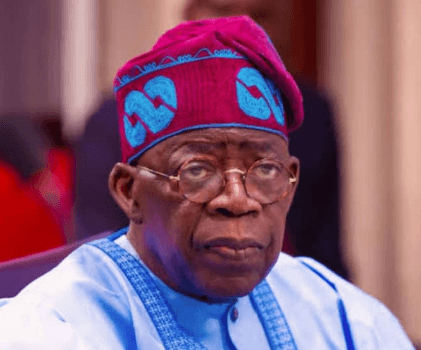
As President Bola Tinubu prepares for a significant state visit to the United Kingdom, a clear domestic agenda is being set not by diplomats alone, but by Nigerian civil society and citizens. The prevailing demand is that this diplomatic engagement must translate into concrete international support for two existential challenges: multifaceted insecurity and climate devastation.
The Security Imperative
Advocacy groups are emphasizing that Nigeria's protracted security crisis—encompassing insurgency in the northeast, rampant banditry in the northwest, and widespread kidnappings—requires sustained and deepened international cooperation. The expectation is that Tinubu's talks will focus on formalizing and expanding frameworks for UK assistance. This includes crucial support in areas of intelligence sharing, advanced training for security forces, and provision of necessary equipment to stabilize volatile regions. The visit is viewed as a pivotal moment to move from general expressions of support to actionable, resource-backed partnerships.
The Climate Resilience Agenda
Parallel, and equally urgent, are the demands surrounding climate change. Northern Nigeria faces accelerating desertification, while southern coastal communities grapple with severe erosion. These environmental shifts directly threaten food security and millions of livelihoods. Citizens and environmental groups are calling for the Tinubu administration to explicitly seek increased British investment and technology transfer for climate adaptation projects, early warning systems, and a transition to green energy. The argument is that climate finance must become a cornerstone of a renewed UK-Nigeria bilateral relationship.
A Shift in Public Diplomacy
This organized public pressure signals a profound evolution in how Nigerians perceive presidential foreign travel. Such trips are increasingly judged not by their ceremonial pomp but by their direct relevance to alleviating everyday hardships. There is a growing insistence that diplomatic engagements abroad must have a clear line of sight to domestic policy outcomes and material improvements in citizens' lives.
The Stakes for the Administration
Analysts note that the visit carries substantial political weight beyond protocol. Successfully advancing partnerships on these dual fronts could bolster the administration's credibility at a time of domestic economic strain. Conversely, a visit perceived as yielding little substantive progress on security and climate may amplify public criticism, framing the trip as a missed opportunity. The outcome will set a precedent for how this administration's foreign policy is measured by the public it serves.


