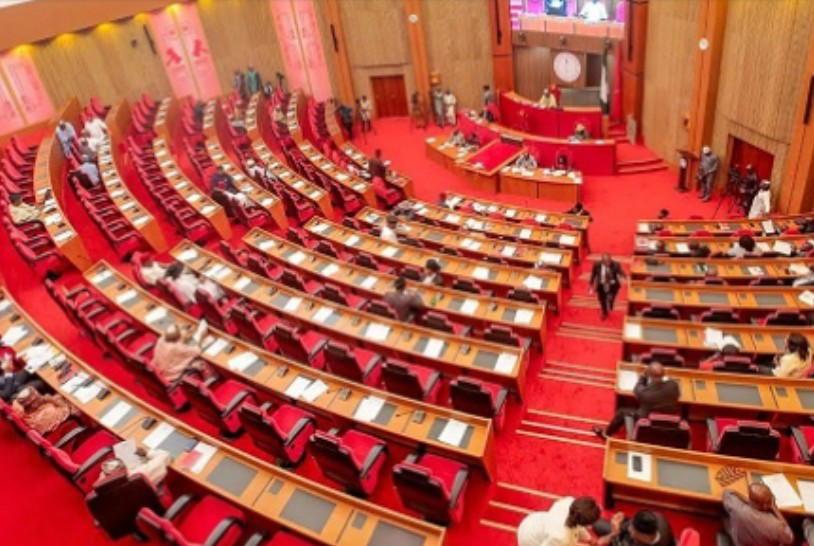
The Nigerian Senate has advanced a N2.2 trillion budget proposal for the Federal Capital Territory, Abuja, for the 2026 fiscal year. This figure represents the total planned expenditure for the nation's capital, covering everything from infrastructure and housing to administration and security. The bill's passage through its second reading is a critical procedural step in the legislative calendar, indicating broad initial support from lawmakers before detailed committee scrutiny begins.
Moving a budget of this magnitude—N2.2 trillion, or roughly 2.2 trillion Nigerian naira—through the second reading suggests the Senate recognizes the scale of investment required to develop and maintain the capital. This stage of approval typically involves a general debate on the bill's principles and overall merit, rather than a line-by-line examination of its contents. The focus at this point is on the budget's strategic alignment with national and territorial development goals.
For context, a N2.2 trillion appropriation for the FCT alone underscores the capital's unique status and the significant resources dedicated to its growth. Compared to budgets of individual states, this figure is substantial, reflecting Abuja's role as the administrative and political heart of the federation. The allocation is intended to fund projects and services that maintain the city's functionality and prestige as the seat of the federal government.
In practical terms, this legislative progress means the budget proposal is now formally under consideration and will be dissected by relevant Senate committees. These committees will conduct hearings, summon officials from the FCT Administration to defend the estimates, and potentially recommend amendments before the bill returns to the full chamber for a third reading and final passage. This process ensures legislative oversight of how public funds are allocated.
The advancement of the FCT budget follows the standard Nigerian appropriations timeline, where the executive presents proposals to the legislature for approval. The 2026 budget cycle is proceeding, with this bill focusing specifically on the capital territory's needs. Its progress is separate from, but concurrent with, the national budget process for the entire country, which involves much larger figures and broader economic planning.
Analytically, the sheer size of the N2.2 trillion request highlights the ongoing capital-intensive demands of a planned city like Abuja. Funding likely targets major infrastructure projects, public building maintenance, transportation networks, and utilities essential for a growing metropolitan area. The budget's composition, once detailed in committee reports, will reveal the FCT Administration's priorities, whether tilted toward new construction, social services, or debt servicing.
What this means for residents and businesses in Abuja is that planned government spending for 2026 is one step closer to being authorized. The eventual implementation of this budget will directly influence the pace of road construction, the quality of public services, and the overall development trajectory of the city. However, the actual impact depends on the final approved amount and the efficiency of its execution, which often faces challenges like inflation and procurement delays.
The next concrete step is for the Senate to commit the bill to its Committee on the Federal Capital Territory for detailed work. This committee will review the estimates, hold sessions with FCT officials, and produce a report for the Senate's consideration, likely within the coming weeks. The timeline for this committee stage will determine when the bill is ready for a third reading and final vote, setting the stage for the FCT's 2026 fiscal operations.


