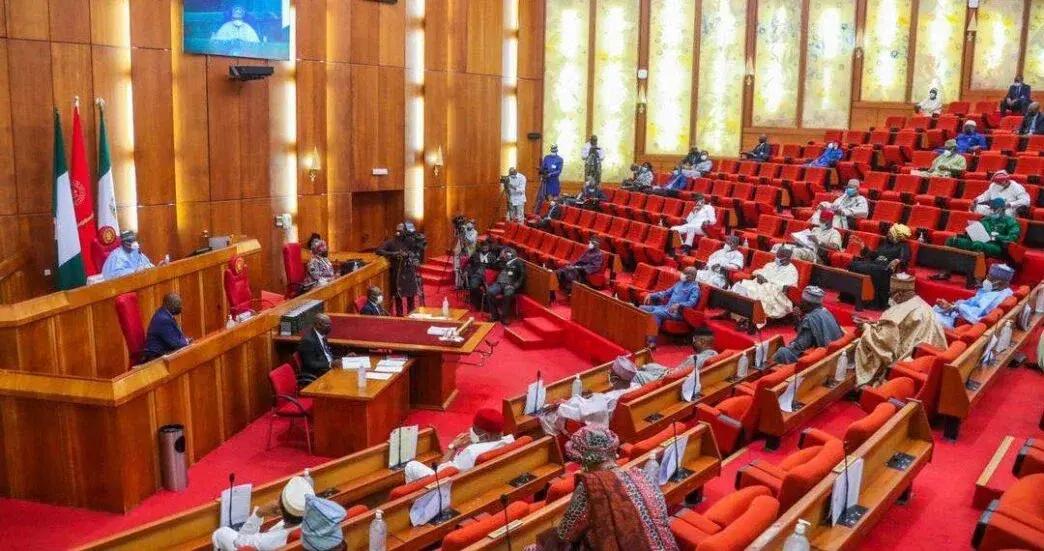
The Nigerian Senate has formally passed the 2025 Statutory Budget for the Niger Delta Development Commission (NDDC), authorizing a total expenditure of N1.7 trillion. This approval provides the essential legal and financial framework for the commission's operations in the upcoming fiscal year.
A Budget for Development Mandate
The NDDC is federally mandated to drive sustainable development in the Niger Delta, a region comprising nine states that are the heart of Nigeria's oil production. The commission's tasks include addressing profound socio-economic gaps and remediating environmental degradation linked to decades of oil exploration. The scale of this N1.7 trillion allocation underscores the government's stated commitment to reversing historical underdevelopment in the area.
From Approval to Implementation
With the Senate's approval, the budget now has the full force of law. This enables the NDDC's governing board and management to commence the annual cycles of procurement, planning, and project implementation. The focus will be on deploying funds for coordinated projects in infrastructure, human capital development, and environmental sustainability.
Oversight and Transparency
A critical component following the budget's passage is oversight. Legislative committees in the National Assembly will monitor the NDDC's spending to ensure alignment with the approved provisions and goals of transparency and efficiency. The successful utilization of these funds is pivotal for the region's progress.
This process follows the standard budgetary procedure where the executive presents proposals to the legislature for scrutiny. The Senate's role in granting this final authorization is a key constitutional function in Nigeria's governance, checking executive spending power and representing a crucial step in the region's development journey.


