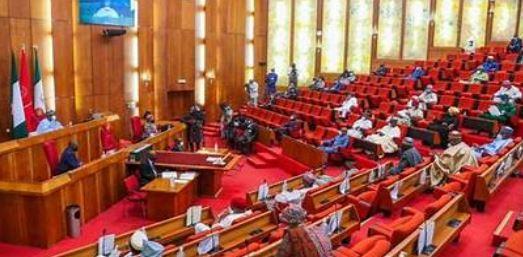
The Nigerian Senate has given its stamp of approval to the 2025 statutory budget of the Niger Delta Development Commission (NDDC), setting a colossal expenditure framework of N1,750,923,400,137.15 for the coming year. This approval is a pivotal annual step for the commission, which is tasked with facilitating the sustainable development of Nigeria's crucial oil-producing region.
Budget Breakdown: A Project-Focused Agenda
A detailed analysis reveals the budget's priorities. Personnel costs are pegged at N47.57 billion, while overhead is allocated N49.93 billion. Internal capital expenditure receives N22.36 billion. The most significant allocation, however, is the N1.63 trillion designated for development projects. This overwhelming focus on project spending—constituting over 93% of the total budget—underscores the NDDC's core mandate to drive tangible infrastructure and social programs in the Niger Delta states.
Funding the Vision: A Multi-Source Model
The budget will be financed through a diversified revenue profile, emphasizing a joint responsibility model. Projected sources include N107.48 billion brought forward from previous years and a N626.53 billion statutory contribution from the Federal Government. Unpaid arrears and recoveries account for N53.68 billion. Notably, a substantial N902.87 billion is expected from oil and gas companies, including the Nigeria Liquefied Natural Gas (NLNG) Limited. Additional streams include N8.36 billion from ecological funds and internally generated income.
Context and Concurrent Developments
This budget approval occurred alongside other significant fiscal actions. The Senate confirmed the appointment of Mr. Taiwo Oyedele as Minister of State for Finance, who described his nomination as a call to service. Separately, reports indicate the Nigeria Revenue Service (NRS) has taken action against fintech company OPay. These events paint a picture of a busy period for Nigeria's economic governance.
The scale of the NDDC's 2025 budget highlights the region's continued economic importance and the ongoing challenge of translating resource wealth into widespread development. All eyes will now be on the commission's implementation and procurement processes in the year ahead.