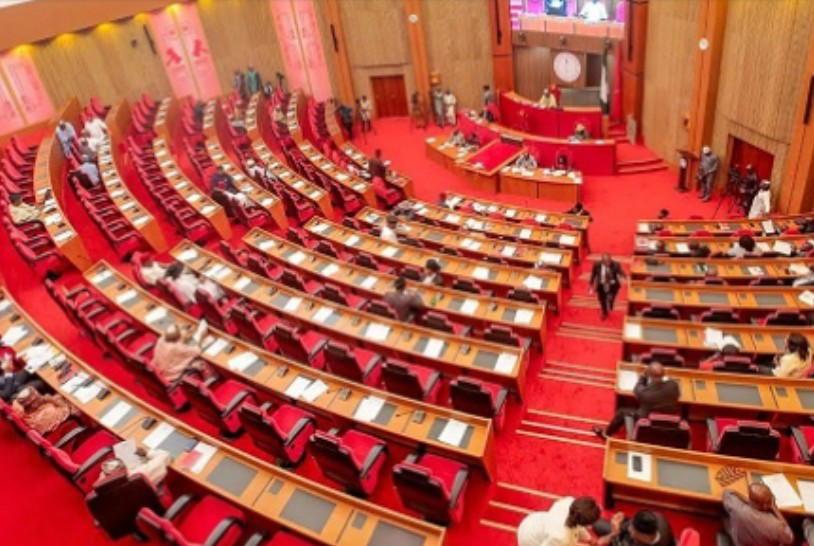
The talk at the bus stop this morning wasn't about the weather. It was about whether the big men in Abuja would finally let someone keep an eye on the contractors. Word had spread about a move in the Senate to stop the ICPC from tracking projects. For folks here, that tracking is the only thing that makes a half-built school or a water project that never flows feel like it might get finished. When the news broke that the Senate said no, that the tracking must go on, it felt like a small win for everyone waiting on promises.
This wasn't just some political debate on TV. The ICPC going to sites, taking pictures, asking questions—that's what puts the heat on the people who took the money and vanished. My neighbor, whose kids walk miles to a school with no roof, said it straight: 'If they stop the tracking, they might as well pour our money into the gutter.' The Senate's vote means the ICPC's team can still show up unannounced, clipboard in hand, and demand to see progress.
People remember the last time trackers came through. A contractor who had been missing for months suddenly reappeared to fix a road, just before the inspection. That's the power it has. The motion to suspend this work would have taken that pressure away. It would have told every corner-cutting firm they could go back to business as usual. The Senate shutting that down is a signal, even if a small one, that someone is supposed to be watching.
We've all seen the projects that stall. The clinic that's just a foundation, the market stalls that never get roofs. The money was allocated, the ceremony was held, and then nothing. The ICPC's tracking puts names and faces to that failure. It creates a public record. That record is what communities use to ask their questions, to demand answers from their local representatives. Taking that away would have left people here in the dark again.
Why would anyone want to stop the tracking? That's the question on the street. The only people who benefit from no oversight are those with something to hide. The contractors who bill for ten trucks of gravel but deliver five. The officials who sign off on shoddy work. For them, the ICPC's visits are a headache. For everyone else, it's a flicker of hope that the money meant for a community might actually reach it.
The Senate's decision doesn't fix the broken road or complete the school. But it keeps the tool in the toolbox. It means the ICPC can continue its work, visiting project sites, compiling reports, and potentially recommending investigations. That process is slow, and justice is never quick, but stopping it would have been a guarantee that nothing would ever change.
This is about accountability, plain and simple. It's about whether the government projects we see on the news are real things we can touch or just photos for the papers. By upholding the ICPC's mandate, the Senate has, for now, sided with the idea that these projects should be real. They've said the work of verifying, of checking, of following the money, is non-negotiable.
What happens next? The ICPC continues its tracking. Communities will keep an eye out for their vans. People will still gather at those stalled sites, but now they can point to the Senate's vote and say the law allows for someone to come and check. The next phase of tracking is set to continue, with the agency expected to visit new states in the coming months, bringing that same uncomfortable scrutiny to more projects that have swallowed public funds.


